
Perimenopause and Body Composition: How Hormonal Changes Affect Fat, Muscle, and Bone
Most women notice something shifting in their late thirties or early forties. The number on the scale may not change, but clothes fit differently, energy dips after lunch, and exercise that once felt easy starts to feel inadequate. These changes are not random. They are driven by hormonal shifts that begin years before menopause officially arrives.
Perimenopause, the transitional phase leading up to the final menstrual period, typically starts between ages 40 and 44 and can last anywhere from two to ten years. During this window, fluctuating oestrogen and progesterone levels trigger measurable changes in how the body stores fat, maintains muscle, and preserves bone mineral density.
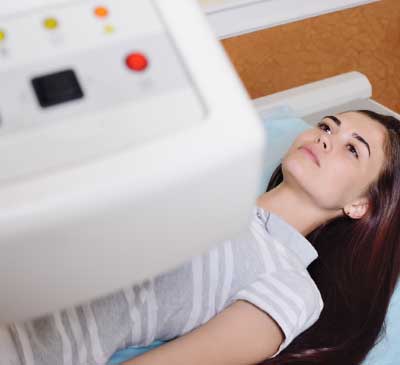
A DEXA (dual-energy X-ray absorptiometry) scan is the clinical gold standard for measuring all three of these changes in a single appointment. Unlike bathroom scales or BMI calculators, DEXA provides a region-by-region breakdown of fat mass, lean mass, and bone density, giving you the precise data you need to respond to perimenopausal changes before they become entrenched.
Quick answer: Perimenopause triggers a measurable increase in visceral fat, a gradual decline in lean muscle mass, and accelerated bone mineral density loss, often years before menopause is confirmed. A DEXA scan at our Harley Street clinic quantifies all three so you can take targeted action early.
What Happens to Your Body During Perimenopause
Perimenopause is not a single event. It is a gradual hormonal transition characterised by irregular ovarian function, fluctuating oestrogen levels, and declining progesterone production. The Study of Women’s Health Across the Nation (SWAN), one of the largest longitudinal studies on the menopausal transition, found that body composition changes accelerate during the late perimenopausal stage and continue into the first two years after the final menstrual period.
Three shifts happen simultaneously. First, fat mass increases, particularly around the abdomen. Second, lean muscle mass decreases, reducing resting metabolic rate. Third, bone mineral density declines at a faster rate than during the premenopausal years. These changes can occur even when diet, exercise, and overall weight remain stable, which is why so many women find themselves confused and frustrated during this stage.
The clinical evidence is clear: these are hormone-driven changes, not lifestyle failures. Understanding what is happening physiologically is the first step toward an effective response.
Fat Redistribution: Why Visceral Fat Increases in Perimenopause
Oestrogen plays a direct role in determining where the body stores fat. During the reproductive years, oestrogen promotes subcutaneous fat storage in the hips, thighs, and buttocks. As oestrogen declines during perimenopause, this preferential storage pattern shifts. Fat begins to accumulate in the abdominal cavity, around the internal organs. This is visceral adipose tissue (VAT), and it behaves very differently from subcutaneous fat.
Research published in Climacteric (2023) found that fat accumulation roughly doubles during the menopausal transition, with visceral fat increasing disproportionately compared to subcutaneous stores. Visceral fat is metabolically active. It releases inflammatory cytokines and free fatty acids that increase insulin resistance, raise LDL cholesterol, and contribute to elevated cardiovascular risk.
A standard bathroom scale cannot distinguish between subcutaneous and visceral fat. Two women of the same weight and height can have vastly different visceral fat levels, and therefore vastly different metabolic risk profiles. A body composition DEXA scan measures visceral adipose tissue directly, providing a precise gram-level reading that allows you and your clinician to track changes over time and respond accordingly.
Muscle Loss During Perimenopause: The Silent Decline
Oestrogen supports muscle protein synthesis and helps maintain the integrity of muscle fibres. As levels decline, the rate of muscle breakdown begins to outpace repair. The SWAN study documented a measurable decline in lean mass during the perimenopausal transition, even among physically active women.
This process, sometimes called perimenopausal sarcopenia, does not produce dramatic overnight changes. It is gradual, often losing 0.5 to 1% of lean mass per year. Over a decade, however, this adds up to a meaningful reduction in strength, mobility, and metabolic rate. Since muscle tissue is more metabolically active than fat, losing it means your body burns fewer calories at rest. This creates a compounding effect: less muscle leads to lower energy expenditure, which makes fat gain more likely even without dietary changes.
DEXA scanning quantifies lean mass in each region of the body, including the arms, legs, and trunk. This level of detail reveals whether muscle loss is uniform or concentrated in specific areas, which can guide resistance training programmes and protein intake recommendations.
Bone Density Changes: When Loss Accelerates
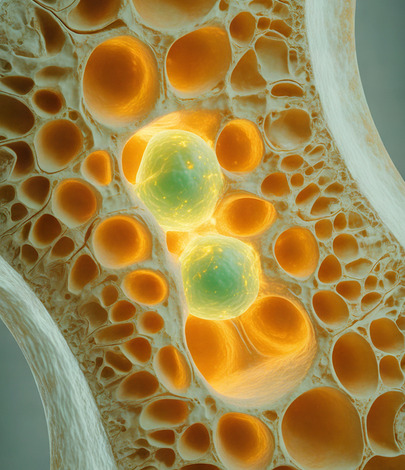
Bone mineral density (BMD) begins to decline gradually from the mid-thirties, but the rate of loss increases sharply during late perimenopause. A landmark study published in the Journal of Bone and Mineral Research found that women lose an average of 2.5% of lumbar spine BMD and 1.7% of femoral neck BMD per year in the years surrounding the final menstrual period. Over the full menopausal transition, total bone loss can reach 5 to 10%.
This matters because bone loss during perimenopause is largely irreversible without intervention. The NHS recommends a bone density DEXA scan for women at elevated fracture risk, and many clinicians now advocate baseline scanning during perimenopause rather than waiting until after menopause when significant damage may already have occurred. We covered this topic in detail in our guide to menopause and bone density.
A DEXA bone density scan measures BMD at the lumbar spine and hip, producing T-scores and Z-scores that indicate whether your bone density is within normal range for your age or whether early intervention is warranted. Catching osteopenia (the precursor to osteoporosis) during perimenopause gives you the widest window for protective strategies including weight-bearing exercise, adequate calcium and vitamin D intake, and, where appropriate, pharmacological treatment.
Why Standard Metrics Miss Perimenopausal Body Composition Changes
Body weight and BMI are the metrics most women rely on, but they are particularly misleading during perimenopause. A woman who weighs 65 kg at age 35 and 65 kg at age 48 may appear unchanged by conventional measures. A DEXA scan could reveal that she has gained 4 kg of visceral fat, lost 3 kg of lean muscle, and experienced a 6% decline in lumbar spine bone density. The scale shows stability, but her metabolic and skeletal health has deteriorated significantly.
Bioelectrical impedance scales (including consumer smart scales) are another common tool, but their accuracy varies with hydration, time of day, and hormonal fluctuations. These are especially unreliable during perimenopause, when fluid retention and hormonal shifts can swing readings by several percentage points within a single menstrual cycle.
DEXA is the only widely available clinical tool that measures fat mass, lean mass, visceral fat, and bone mineral density simultaneously, with a precision that allows meaningful comparison between scans taken months or years apart. You can learn more about how DEXA scanning works and what a typical appointment involves on our service page.
What You Can Do: Using DEXA Data to Guide Your Response
A DEXA scan during perimenopause is not just a snapshot. It is a clinical baseline that allows you to track changes over time and measure whether your interventions are working. Here is how the data translates into action.
If your scan reveals elevated visceral fat, targeted lifestyle changes become the priority. Research consistently shows that resistance training combined with adequate protein intake (1.2 to 1.6 g per kg of body weight daily) is the most effective non-pharmacological approach for reducing visceral fat and preserving lean mass during the menopausal transition. Cardiovascular exercise alone is less effective at shifting visceral fat stores.
If your bone density scan shows early signs of osteopenia, your clinician can recommend specific interventions before the condition progresses. Weight-bearing exercise, ensuring 700 to 1,000 mg of daily calcium, maintaining adequate vitamin D levels (the NHS recommends 10 micrograms daily), and in some cases hormone replacement therapy (HRT) can all slow or partially reverse bone loss when introduced early enough.
If lean mass is declining faster than expected, adjusting your training programme to prioritise progressive resistance training, with particular attention to lower body and trunk musculature, can help counteract the hormonal shift. DEXA regional measurements make it possible to identify specific areas of concern and track whether your approach is producing results.
Frequently Asked Questions
When should I get a DEXA scan during perimenopause?
Ideally, a baseline DEXA scan should be taken in the early stages of perimenopause, typically in your early to mid-forties. This gives you a reference point against which future scans can be compared. If you are already experiencing symptoms such as irregular periods, changes in body shape, or a family history of osteoporosis, earlier scanning is advisable.
How often should I repeat the scan?
For most women in perimenopause, an annual or biannual DEXA scan provides enough data to track meaningful changes. Your clinician can recommend a frequency based on your individual risk profile and whether you are actively intervening with exercise, nutrition, or medication.
Will HRT prevent body composition changes?
Hormone replacement therapy can help mitigate some perimenopausal body composition changes, particularly bone loss and, to some extent, visceral fat accumulation. However, HRT is not a standalone solution. It works best alongside regular resistance training, adequate protein intake, and overall healthy lifestyle habits. DEXA scanning allows you to measure the combined effect of all your interventions objectively.
Can perimenopause cause weight gain even if I eat well and exercise?
Yes. The hormonal shifts during perimenopause alter resting metabolic rate, insulin sensitivity, and fat storage patterns independently of calorie intake and activity level. This is one of the most frustrating aspects of the transition, and it is exactly why objective measurement tools like DEXA are so valuable. They separate what is happening physiologically from what you might assume based on the scale alone.
Is perimenopause too early for a bone density scan?
No. In fact, perimenopause is arguably the most valuable time for a bone density scan because it captures the period of accelerated loss. Waiting until after menopause means missing the window when early intervention has the greatest potential impact.
Book Your Perimenopause DEXA Scan at Harley Street
At DEXA London, we provide comprehensive body composition and bone density scanning from our clinic at 86 Harley Street, in the heart of London’s medical district. Our scans measure fat mass, lean mass, visceral adipose tissue, and bone mineral density in a single 15-minute appointment, giving you the detailed clinical data you need to navigate perimenopause with confidence.
Whether you are looking for a baseline measurement, tracking the effects of a new exercise programme, or monitoring bone health on the advice of your GP, our experienced team is here to help.
To book your scan or discuss whether a DEXA assessment is right for you, call us on 0207 637 8227 or book online through our website. Dr Emil Gadimali and the DEXA London clinical team look forward to supporting your health journey through perimenopause and beyond.
Weight management next step
If your DEXA results point to elevated visceral fat or metabolic risk during perimenopause, a supervised weight-loss programme may be worth considering. CutKilo, the sister service to DEXA London, offers doctor-led Mounjaro treatment from Dr. Emil Gadimali. Start the CutKilo questionnaire to see if you are suitable.