
Alcohol and Body Composition: How Drinking Affects Your Fat, Muscle, and Bone
You probably know that heavy drinking is bad for your liver. But alcohol also reshapes the way your body stores fat, builds muscle, and maintains bone. These changes happen gradually, often without any visible warning signs, and they affect people across every weight category.
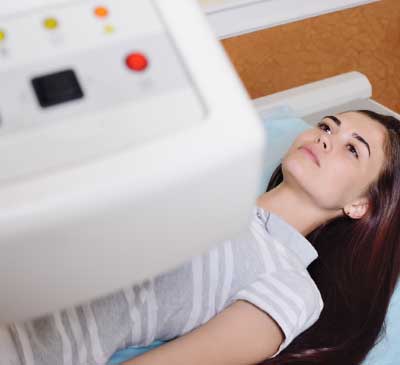
A body composition DEXA scan can detect these shifts long before they show up on the bathroom scales or in a standard blood test. This article explains what the clinical evidence says about alcohol and body composition, and how a DEXA scan at our Harley Street clinic can give you the full picture.
Quick answer: Regular alcohol consumption increases visceral fat storage, impairs muscle protein synthesis, and reduces bone mineral density over time. These changes are measurable on a DEXA scan even in people whose weight appears normal. Reducing or eliminating alcohol is one of the most effective steps you can take to protect your body composition at every age.
Why Alcohol Affects More Than Your Waistline
Most people think of alcohol in terms of calories. A pint of beer contains around 180 to 230 calories, and a large glass of wine adds roughly 200. But the effect of alcohol on your body goes well beyond energy balance.
Ethanol is metabolised differently from protein, carbohydrate, or fat. Your liver prioritises breaking down alcohol over all other metabolic tasks, which means fat oxidation slows down, hormone signalling is disrupted, and nutrient absorption is impaired. According to a 2017 review published in Alcohol Research: Current Reviews, chronic alcohol use affects nearly every organ system, with measurable consequences for adipose tissue, skeletal muscle, and bone.
What makes this particularly difficult to spot is that many of these changes are invisible on the outside. Your weight may stay the same while your internal composition shifts toward more fat and less lean tissue. This is exactly the kind of change that a DEXA scan is designed to detect.
How Alcohol Changes Fat Storage and Distribution
Alcohol promotes fat storage through several overlapping mechanisms. When your liver is busy processing ethanol, it produces acetate as a byproduct. Your body then uses acetate as its primary fuel source, which means dietary fat and carbohydrate are more likely to be stored rather than burned.
A 2015 study in the British Journal of Nutrition found that moderate-to-heavy drinkers had significantly higher total body fat than non-drinkers, even after adjusting for total calorie intake. The researchers noted that alcohol appeared to promote preferential fat deposition in the abdominal region.
This pattern of central fat accumulation is particularly concerning because it correlates with elevated visceral fat, the type of fat that wraps around your internal organs. A body composition DEXA scan can separate subcutaneous fat (the layer beneath your skin) from visceral fat with a high degree of precision, giving you a clear picture of where your body is storing excess energy.
Alcohol, Visceral Fat, and Metabolic Risk
Visceral fat is not simply an aesthetic concern. It is metabolically active tissue that releases inflammatory cytokines, disrupts insulin signalling, and increases your risk of type 2 diabetes, cardiovascular disease, and certain cancers. The NHS identifies excess visceral fat as a major modifiable risk factor for metabolic syndrome.
Research published in Obesity Reviews (2020) demonstrated that alcohol intake, particularly spirits and beer, was independently associated with higher visceral adipose tissue even in individuals classified as normal weight by BMI. This is a key finding because it highlights a hidden risk that standard weight measurements completely miss.
If you drink regularly and your DEXA results show elevated visceral fat, this is a signal worth taking seriously. Cutting back on alcohol is one of the most direct ways to reduce visceral fat levels, alongside dietary changes and increased physical activity.
The Impact of Alcohol on Muscle Mass and Recovery
Alcohol interferes with muscle protein synthesis (MPS), the process your body uses to repair and build muscle tissue after exercise. A landmark 2014 study in PLOS ONE showed that consuming alcohol after resistance training reduced MPS by up to 37%, even when participants also consumed adequate protein.
Chronic alcohol use also lowers testosterone and growth hormone levels, both of which are essential for maintaining lean mass. A review in the Journal of Clinical Endocrinology and Metabolism found that men who consumed more than 30 grams of alcohol per day (roughly three standard drinks) had measurably lower free testosterone compared to non-drinkers.
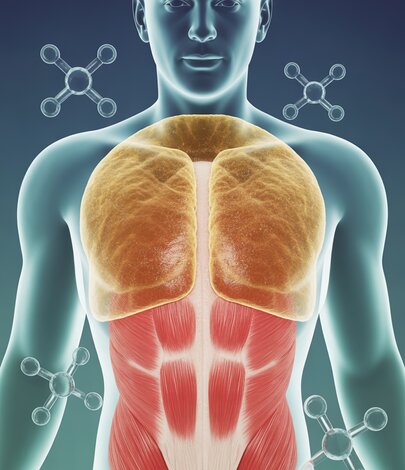
For anyone tracking their body composition over time, this matters enormously. You might be training consistently and eating well, but regular drinking could be quietly eroding your muscle gains. A DEXA scan can quantify your lean mass in each body region, making it possible to see whether alcohol is undermining your progress. We covered the importance of adequate protein for preserving muscle in our guide to protein and body composition, and reducing alcohol intake makes those protein-driven gains more effective.
Alcohol and Bone Density: A Risk Factor for Osteoporosis
The relationship between alcohol and bone health follows a J-shaped curve. Very light drinking (one or two units per week) may have a negligible or slightly protective effect, but consumption above moderate levels is clearly harmful to bone mineral density.
The Royal Osteoporosis Society lists excessive alcohol as a significant risk factor for osteoporosis. Alcohol impairs osteoblast function (the cells that build new bone), interferes with calcium absorption, and disrupts the hormonal balance needed for bone remodelling. A meta-analysis published in Osteoporosis International (2019) found that consuming more than two drinks per day was associated with a 38% increased risk of osteoporotic fracture.
A bone density DEXA scan measures your T-score and Z-score at the hip and spine, the two sites most vulnerable to alcohol-related bone loss. If you drink regularly and have other risk factors for osteoporosis (family history, low body weight, postmenopausal status, or long-term steroid use), a bone density scan is a sensible step to take.
What Your DEXA Scan Results Can Reveal About Alcohol's Effects
A single DEXA scan provides a detailed snapshot of your fat mass, lean mass, and bone mineral density, all broken down by body region. For someone who drinks regularly, certain patterns tend to emerge in the results.
High visceral fat relative to total body fat is a common finding, particularly in people who drink beer or spirits frequently. Reduced appendicular lean mass (the muscle in your arms and legs) may indicate that alcohol is suppressing muscle protein synthesis. Low bone mineral density at the hip or lumbar spine, especially in younger adults, can point to alcohol as a contributing factor.
The real power of DEXA scanning comes from serial measurements over time. If you reduce your alcohol intake and rescan after three to six months, you can see exactly how your body has responded. Many of our patients at the Harley Street clinic find this kind of objective feedback far more motivating than simply weighing themselves.
How to Reduce Alcohol's Impact on Your Body Composition
The clinical evidence is clear: reducing alcohol consumption improves body composition outcomes. Even modest reductions, such as moving from daily drinking to three or four alcohol-free days per week, can produce measurable changes in visceral fat and lean mass over a period of months.
The NHS recommends a maximum of 14 units per week, spread over three or more days, with several alcohol-free days each week. If you are actively working to lose fat or build muscle, it is worth considering lower limits. The evidence suggests that even moderate drinking (7 to 14 units per week) can slow progress toward body composition goals.
Combining an alcohol reduction strategy with regular resistance training, adequate protein intake, and periodic DEXA scanning creates a feedback loop that supports long-term progress. You make a change, measure the result, and adjust accordingly.
Frequently Asked Questions
Does alcohol make you gain fat even if you stay within your calorie target?
Yes. Alcohol shifts your metabolism toward fat storage by suppressing fat oxidation and prioritising acetate as a fuel source. This means that calories from food are more likely to be stored as fat when alcohol is present in your system, even if your total calorie intake is within a normal range.
How much alcohol does it take to affect muscle growth?
Research suggests that consuming alcohol equivalent to roughly five or more standard drinks after a training session significantly reduces muscle protein synthesis. Smaller amounts (one to two drinks) appear to have a more modest effect, but regular low-level drinking can still accumulate into meaningful muscle loss over months and years.
Can a DEXA scan show whether alcohol is affecting my body?
A DEXA scan cannot identify alcohol as the specific cause of changes in your body composition. However, it can reveal the patterns associated with regular drinking: elevated visceral fat, reduced lean mass, and decreased bone mineral density. Your clinician can then discuss whether alcohol is a likely contributing factor based on your full health profile.
Is red wine better for body composition than beer or spirits?
There is no convincing evidence that the type of alcoholic drink makes a significant difference to body composition outcomes. The total amount of ethanol consumed is the primary factor. Some studies have suggested that beer and spirit drinkers accumulate more visceral fat, but this may reflect drinking patterns (volume and frequency) rather than the beverage itself.
How long after reducing alcohol will I see changes on a DEXA scan?
Most patients begin to see measurable changes in visceral fat within two to three months of significant alcohol reduction. Lean mass improvements may take longer, particularly if combined with a new exercise programme. Bone density changes are slower still, often requiring six to twelve months before a meaningful shift appears on a scan.
Book Your DEXA Scan at Harley Street
If you drink regularly and want to understand how alcohol may be affecting your body composition, a DEXA scan is the most precise way to find out. At DEXA London, we offer both body composition and bone density scans at our clinic on 86 Harley Street, with results reviewed by Dr Emil Gadimali.
Call us on 0207 637 8227 or book online to schedule your scan. Whether you are looking to reduce visceral fat, protect your bone health, or track changes after cutting back on alcohol, a DEXA scan gives you the clinical data you need to make informed decisions about your health.
Weight management next step
If your DEXA results point to elevated visceral fat or metabolic risk linked to alcohol consumption, a supervised weight-loss programme may be worth considering. CutKilo, the sister service to DEXA London, offers doctor-led Mounjaro treatment from Dr. Emil Gadimali. Start the CutKilo questionnaire to see if you are suitable.