

Protein and Body Composition: How Much Do You Really Need to Preserve Muscle and Lose Fat?
Protein is the single most important macronutrient for shaping your body composition. Whether you are trying to build muscle, lose body fat, or simply maintain a healthy ratio of lean tissue to fat mass, the amount and quality of protein you eat plays a decisive role in the results you achieve.
Yet most people have no objective way of knowing whether their protein intake is actually working. A body composition DEXA scan solves that problem by measuring your lean mass, fat mass, and bone mineral density with clinical precision, giving you hard data on how your nutrition strategy is affecting your body at a tissue level.
In this guide, we break down the research on protein and body composition, explain how much you really need for your goals, and show how regular DEXA scanning can track whether your protein intake is translating into measurable results.
Quick Answer: Most adults aiming to preserve or build lean mass should consume between 1.2 and 2.0 grams of protein per kilogram of body weight per day. A DEXA scan is the most accurate way to measure whether that protein intake is actually preserving your muscle and reducing your fat mass over time.
Why Protein Matters for Body Composition
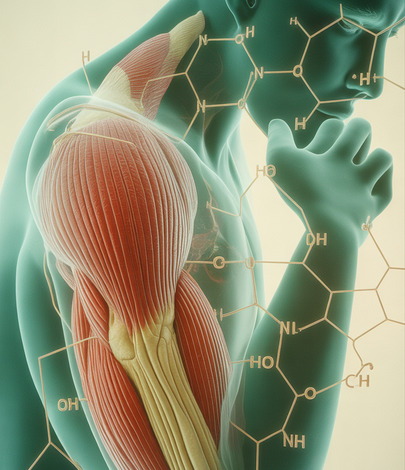
Body composition refers to the relative proportions of fat, muscle, bone, and water in your body. Unlike body weight alone, body composition tells you what your weight is made of. Two people at identical weights can look and feel completely different depending on how much of that weight is lean tissue versus stored fat.
Protein is the primary building block of skeletal muscle. When you consume dietary protein, your body breaks it down into amino acids that are used to repair and build muscle fibres, support bone mineral density, and maintain metabolically active tissue. A 2020 systematic review published in the British Journal of Sports Medicine confirmed that higher protein intakes are associated with greater gains in lean mass and strength when combined with resistance exercise (Morton et al., 2018).
Protein also has the highest thermic effect of any macronutrient. Roughly 20 to 30 per cent of the calories from protein are used simply to digest and metabolise it, compared with 5 to 10 per cent for carbohydrates and 0 to 3 per cent for fat. This means that a higher-protein diet naturally increases your daily energy expenditure, even before any additional exercise.
For anyone interested in improving their body composition, whether that means gaining muscle, losing fat, or both, protein is the nutritional lever with the strongest evidence base behind it.
How Much Protein Do You Actually Need?
The UK Reference Nutrient Intake for protein is 0.75 grams per kilogram of body weight per day. This level is designed to prevent deficiency in the general population, but it falls well below the amounts shown to optimise body composition in clinical research.
A position statement from the International Society of Sports Nutrition (Jager et al., 2017) recommends the following ranges based on activity level and goals:
-
Sedentary adults maintaining health: 1.0 to 1.2 g/kg/day
-
Active adults aiming to build or maintain muscle: 1.4 to 2.0 g/kg/day
-
Adults in a calorie deficit (fat loss phase): 1.6 to 2.4 g/kg/day
-
Older adults (over 65) at risk of sarcopenia: 1.2 to 1.5 g/kg/day
For a 75 kg adult in a fat-loss phase, that translates to between 120 and 180 grams of protein per day. Reaching these levels consistently requires deliberate meal planning, as many common UK diets deliver closer to 60 to 80 grams per day.
The NHS recommends that adults eat two portions of protein-rich food per day, with options including lean meat, fish, eggs, beans, and pulses. While this guidance supports general health, it may not provide enough total protein to support meaningful changes in body composition for those who are actively training or losing weight.
Protein and Fat Loss: Protecting Lean Mass During a Calorie Deficit
When you eat fewer calories than your body needs, you will lose weight. But not all weight loss is equal. Without adequate protein, a significant portion of the weight you lose can come from lean tissue rather than stored fat. This is a common and well-documented problem in calorie-restricted diets.
A landmark randomised controlled trial by Longland et al. (2016), published in the American Journal of Clinical Nutrition, compared two groups of young men in a 40 per cent calorie deficit over four weeks. The higher-protein group (2.4 g/kg/day) gained 1.2 kg of lean mass while losing 4.8 kg of fat. The lower-protein group (1.2 g/kg/day) preserved lean mass but lost only 3.5 kg of fat. Both groups followed identical exercise programmes.
This study illustrates a critical point: increasing protein intake during a calorie deficit does not just prevent muscle loss. It can actively promote favourable changes in body composition even when total energy intake is restricted.
A body composition DEXA scan is the most reliable way to confirm whether a calorie deficit is costing you lean mass. Scales alone cannot tell you whether your weight loss is coming from fat, muscle, or water. DEXA provides a region-by-region breakdown that shows exactly what is changing and where.
Protein Timing and Distribution: Does It Matter?
Total daily protein intake matters more than when you eat it. However, research does suggest that distributing protein evenly across meals may offer a small additional benefit for muscle protein synthesis.
A 2014 study by Mamerow et al. in the Journal of Nutrition found that evenly distributing protein across three meals (approximately 30 g per meal) stimulated 24-hour muscle protein synthesis 25 per cent more effectively than consuming the same total amount in a skewed pattern (10 g at breakfast, 15 g at lunch, 65 g at dinner).
For practical purposes, aiming for 25 to 40 grams of protein per meal across three to four meals per day is a reasonable strategy. Including a protein-rich option at breakfast is particularly important, as this is the meal most commonly lacking in protein for UK adults.
Post-exercise protein consumption remains relevant, though the so-called “anabolic window” is wider than many people believe. Consuming protein within two hours of resistance training supports recovery and adaptation, but the effect is modest compared to meeting your overall daily target.
To learn more about how DEXA scanning works and how it measures the lean tissue changes that result from optimised protein intake, visit our scanning overview page.
How a DEXA Scan Tracks Whether Your Protein Strategy Is Working
A DEXA (dual-energy X-ray absorptiometry) scan is the clinical gold standard for measuring body composition. Unlike bioelectrical impedance scales or skinfold callipers, DEXA uses low-dose X-ray technology to distinguish between fat tissue, lean tissue, and bone mineral content with a high degree of precision.
When you increase your protein intake or adjust your training programme, DEXA scans taken at intervals of 8 to 12 weeks can reveal measurable changes in lean mass that would be invisible on a bathroom scale. For example, you might see your total weight stay the same while your lean mass increases by 1.5 kg and your fat mass decreases by 1.5 kg. Without DEXA, that progress would go completely unnoticed.
DEXA also provides regional data, showing lean mass and fat mass in your arms, legs, trunk, and android (waist) region separately. This is clinically useful because protein and resistance training do not affect all body regions equally. Tracking regional lean mass changes helps you and your clinician assess whether your nutrition and exercise programme is producing balanced results.
For anyone serious about optimising their body composition through nutrition, a baseline DEXA scan followed by a repeat scan after 10 to 12 weeks of a structured protein and training plan provides the objective feedback needed to refine your approach.
Protein During GLP-1 Treatment: Why It Matters More Than Ever
Patients using GLP-1 receptor agonists such as tirzepatide (Mounjaro) or semaglutide (Wegovy, Ozempic) for weight management face a specific challenge: these medications suppress appetite so effectively that total food intake, and therefore protein intake, can drop dramatically.
Research published in the New England Journal of Medicine (Jastreboff et al., 2022) showed that patients on tirzepatide lost up to 22.5 per cent of their body weight over 72 weeks. However, a proportion of that weight loss came from lean mass, not just fat. This pattern has been consistently observed across GLP-1 and GIP agonist trials and is well documented in our guide to muscle loss with GLP-1 and GIP agonists.
Maintaining a high protein intake during GLP-1 treatment is one of the most effective strategies for minimising lean mass loss. A target of 1.5 to 2.0 g/kg/day of protein is widely recommended by obesity medicine specialists, even when total calorie intake is significantly reduced. Prioritising protein-dense foods such as Greek yoghurt, eggs, fish, chicken, and legumes at every meal helps ensure that the weight you lose is predominantly fat.
Regular DEXA scanning throughout GLP-1 treatment allows you and your prescribing doctor to monitor the ratio of fat loss to lean mass loss. If lean mass is declining faster than expected, your clinician can adjust your protein targets, training recommendations, or medication dosage accordingly.
Weight management next step
If your DEXA results suggest that protein-focused dietary changes alone are not enough to shift your body composition, a supervised weight-loss programme may be worth considering. CutKilo, the sister service to DEXA London, offers doctor-led Mounjaro treatment from Dr. Emil Gadimali, with body composition monitoring built into every treatment plan. Start the CutKilo questionnaire to see if you are suitable.
Frequently Asked Questions
Can eating too much protein be harmful?
For healthy adults with normal kidney function, intakes of up to 2.0 to 2.5 g/kg/day have not been associated with adverse health effects in clinical studies. The European Food Safety Authority confirms that protein intakes of twice the reference value are safe for most adults. If you have existing kidney disease, speak to your doctor before significantly increasing your protein intake.
Is plant protein as effective as animal protein for building muscle?
Plant proteins can support muscle growth effectively when total intake is sufficient and a variety of sources are consumed. A 2021 meta-analysis in Sports Medicine (Hevia-Larrain et al.) found no significant difference in lean mass gains between plant and animal protein groups when total protein intake was matched. Combining different plant sources (for example, legumes with grains) helps ensure a complete amino acid profile.
How often should I get a DEXA scan to track body composition changes from a protein strategy?
We recommend a baseline scan followed by a repeat scan after 10 to 12 weeks. Changes in lean mass and fat mass typically become measurable within this timeframe when protein intake and training are consistent. More frequent scanning is unlikely to show meaningful differences and is not clinically necessary for most people.
Does protein intake affect bone density?
Yes. Adequate protein intake supports bone mineral density by promoting calcium absorption and stimulating the production of insulin-like growth factor 1 (IGF-1), which plays a role in bone formation. A bone density DEXA scan can measure your bone mineral density and help assess whether your overall nutrition, including protein, is supporting your skeletal health.
Should I use protein supplements or focus on whole foods?
Whole food sources of protein are preferable because they provide additional micronutrients, fibre, and satiety benefits. However, protein supplements such as whey or pea protein can be a practical way to reach your daily target if you struggle to eat enough protein from meals alone. The key factor is total daily intake, not the source.
Book Your DEXA Body Composition Scan
If you want to know whether your protein intake is genuinely translating into improved body composition, a DEXA scan provides the definitive answer. At DEXA London, we offer clinical-grade body composition scanning at our Harley Street clinic, with results reviewed by a qualified clinician.
Whether you are starting a new nutrition plan, tracking progress during a training programme, or monitoring body composition changes during GLP-1 treatment, a DEXA scan gives you the precise, reproducible data you need to make informed decisions about your health.
To book your scan or ask a question about how DEXA can support your health goals, call us on 0207 637 8227 or book online through our website. Our clinic is located at 86 Harley Street, London.