


Calcium and Bone Density: What Your DEXA Scan Reveals About Calcium Intake and Bone Health
Quick Answer: Calcium is the primary mineral that gives bones their strength and rigidity. A DEXA scan measures your bone mineral density, which reflects how much calcium and other minerals your bones contain. Adults in the UK need at least 700mg of calcium daily, though those at higher risk of osteoporosis may need 1,000 to 1,200mg. If your DEXA results show low bone density, inadequate calcium intake could be a contributing factor.
Your bones are living tissue, constantly breaking down and rebuilding. Calcium is the building block at the centre of this process. When your body does not get enough calcium from food, it draws on the reserves stored in your skeleton, gradually weakening your bones over months and years.
A bone density DEXA scan offers the most accurate way to measure how much mineral your bones contain. The results can reveal whether calcium deficiency, along with other factors, has begun to affect your skeletal health. This article explains how calcium and bone density are connected, who is most at risk, and what your DEXA scan results mean in the context of calcium intake.
Why Calcium Matters for Bone Health
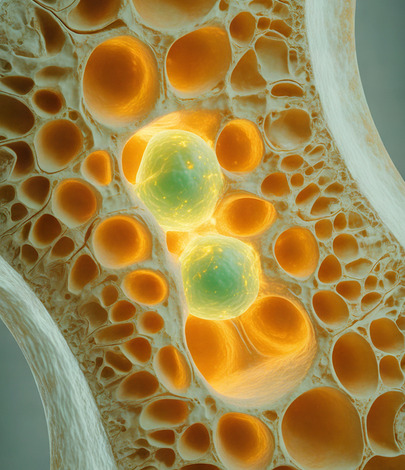
Calcium is the most abundant mineral in the human body, and roughly 99% of it is stored in your bones and teeth. Bone tissue relies on calcium phosphate crystals to form a rigid matrix known as hydroxyapatite, which gives bones their structural strength and resistance to fracture.
Throughout your life, your skeleton undergoes a continuous cycle of remodelling. Specialised cells called osteoclasts break down old bone, while osteoblasts build new bone in its place. This process requires a steady supply of calcium. When dietary calcium falls short, your body prioritises maintaining calcium levels in the blood (which are critical for nerve function, muscle contraction, and heart rhythm) by pulling calcium from your bones. Over time, this leads to a net loss of bone mineral density.
Peak bone mass is typically reached by the late twenties. After this point, bone breakdown gradually begins to outpace formation. Ensuring adequate calcium intake throughout life helps maximise peak bone mass during youth and slows the rate of bone loss in later years. According to the National Osteoporosis Guideline Group (NOGG), maintaining sufficient calcium intake is one of the cornerstones of fracture prevention.
How Much Calcium Do You Need? UK Guidelines
The NHS recommends that adults consume 700mg of calcium per day, which most people can achieve through a balanced diet. However, specific groups may need more. The National Osteoporosis Guideline Group (NOGG) and the Royal Osteoporosis Society advise a daily intake of 1,000 to 1,200mg for postmenopausal women and men over 50, particularly those with diagnosed osteopenia or osteoporosis.
To put these numbers in perspective, a 200ml glass of semi-skimmed milk contains around 240mg of calcium. A small pot of yoghurt provides roughly 200mg. A 30g serving of cheddar cheese adds another 220mg. For those who consume dairy regularly, reaching 700mg is achievable without supplementation. For those on restricted diets, reaching 1,000mg or more requires careful planning.
It is worth noting that calcium absorption efficiency varies. Your body typically absorbs 25 to 35% of the calcium you consume, and this percentage declines with age. Factors such as vitamin D status, stomach acid levels, and the presence of other dietary compounds (like oxalates in spinach or phytates in wholegrains) all influence how much calcium your body actually retains.
Who Is Most at Risk of Calcium Deficiency?
Several groups face a higher risk of calcium deficiency and, by extension, reduced bone mineral density. Understanding where you fall can help determine whether a DEXA scan and dietary review might be worthwhile.
Postmenopausal women: The decline in oestrogen after menopause accelerates bone resorption. Without adequate calcium to support new bone formation, bone density can drop significantly within the first five to ten years following menopause.
Those following dairy-free or vegan diets: Dairy products are the most concentrated dietary source of calcium in the UK. People who avoid dairy, whether due to lactose intolerance, allergy, or dietary preference, must rely on fortified alternatives and calcium-rich plant foods to meet their daily needs. Research published in the journal Nutrients has shown that lactose-intolerant individuals who reduce dairy intake have measurably lower bone mineral density.
Older adults: Calcium absorption declines with age due to reduced stomach acid production and lower vitamin D synthesis. Adults over 65 are at particular risk, especially if their diet has become less varied.
People on certain medications: Long-term corticosteroid use, proton pump inhibitors, and some anticonvulsants can interfere with calcium absorption or accelerate bone loss. If you take any of these medications regularly, your doctor may recommend calcium monitoring and a bone density assessment.
Those with malabsorption conditions: Coeliac disease, inflammatory bowel disease, and previous gastric surgery can all reduce the gut’s ability to absorb calcium effectively, even when dietary intake appears sufficient.
How a DEXA Scan Measures Your Bone Mineral Density
A dual-energy X-ray absorptiometry (DEXA) scan is the clinical gold standard for measuring bone mineral density (BMD). The scan uses two low-dose X-ray beams at different energy levels to distinguish bone tissue from soft tissue. By measuring how much of each beam is absorbed by your bones, the scanner calculates how dense your bones are in grams per square centimetre.
The scan typically focuses on the lumbar spine and hip, the two sites most prone to osteoporotic fracture. The entire process takes around 10 to 15 minutes, involves no injections or preparation, and exposes you to less radiation than a standard chest X-ray.
Your results are reported as a T-score, which compares your bone density to the average for a healthy young adult of the same sex. A T-score of 0 means your bone density matches the reference average. A T-score between -1.0 and -2.5 indicates osteopenia (lower than normal bone density), while a T-score of -2.5 or below indicates osteoporosis. These thresholds, defined by the World Health Organisation, help clinicians assess fracture risk and guide treatment decisions.
What Your DEXA Results Could Mean for Calcium Intake
A low T-score on your DEXA scan does not automatically mean you are calcium deficient. Bone mineral density reflects the cumulative effect of genetics, hormonal status, physical activity, medication use, and nutrition over many years. However, calcium intake is one of the modifiable factors that your clinician will consider when interpreting your results.
If your DEXA scan reveals osteopenia or osteoporosis, your doctor will likely assess your dietary calcium intake alongside your vitamin D levels, exercise habits, and medical history. For patients whose calcium intake falls below the recommended threshold, dietary modification or supplementation may be recommended as part of a broader bone health strategy.
It is important to understand that calcium supplementation alone is unlikely to reverse established osteoporosis. The NOGG guidelines emphasise that calcium is a necessary foundation, but it works best alongside adequate vitamin D, weight-bearing exercise, and, where indicated, pharmacological treatment such as bisphosphonates. A DEXA scan provides the baseline measurement that informs this combined approach.
Serial DEXA scans, typically repeated every two to three years, allow you and your clinician to track whether interventions including improved calcium intake are slowing bone loss or stabilising your bone density over time.
Best Dietary Sources of Calcium for Stronger Bones
Meeting your calcium needs through food is always preferable to supplementation, as dietary calcium is absorbed more gradually and carries fewer risks. The following foods are among the richest sources available in the UK.
Dairy products remain the most efficient source. A glass of milk (200ml) provides around 240mg, a pot of yoghurt (150g) provides approximately 200mg, and a 30g portion of hard cheese such as cheddar provides around 220mg. Low-fat and full-fat versions contain similar amounts of calcium.
Fortified plant milks and foods are essential for those avoiding dairy. Calcium-fortified soya, oat, and almond milks typically contain 120mg per 100ml, comparable to cow’s milk. Check that the product is fortified, as unfortified versions contain very little calcium. Fortified breakfast cereals, bread (white flour in the UK is fortified with calcium by law), and orange juice can also contribute meaningfully to daily intake.
Green leafy vegetables such as kale, broccoli, bok choy, and watercress provide bioavailable calcium, though portion sizes need to be larger to match dairy. Spinach contains calcium but also high levels of oxalate, which binds calcium and reduces absorption. Kale and broccoli are better choices.
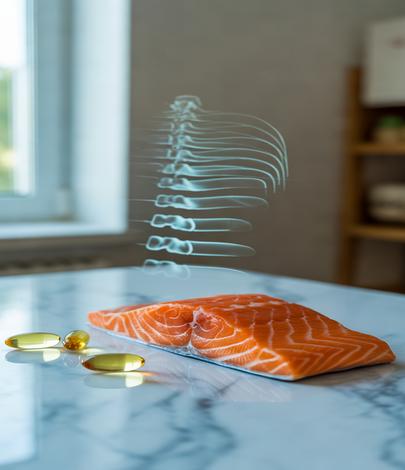
Fish with edible bones, particularly tinned sardines and salmon, are excellent sources. A 100g serving of tinned sardines provides around 380mg of calcium. Tofu set with calcium sulphate (common in the UK) provides approximately 350mg per 100g. Almonds and sesame seeds (tahini) also contribute useful amounts.
Calcium and Vitamin D: Why You Need Both for Bone Health
Calcium and vitamin D work as partners in maintaining bone health. Vitamin D is essential for calcium absorption in the gut. Without sufficient vitamin D, your body absorbs only 10 to 15% of dietary calcium, compared to 30 to 40% when vitamin D levels are adequate. This means that even a calcium-rich diet may not protect your bones if your vitamin D status is low.
In the UK, where sunlight is insufficient for vitamin D synthesis between October and March, the NHS recommends that all adults consider taking a daily supplement of 10 micrograms (400 IU) of vitamin D during the autumn and winter months. For those at higher risk of deficiency, including people who spend little time outdoors, those with darker skin, and older adults, year-round supplementation may be appropriate.
We explored this relationship in detail in our guide to vitamin D and bone density on a DEXA scan, which covers how vitamin D deficiency affects your T-score and what levels to aim for. If your DEXA results show reduced bone density, optimising both calcium and vitamin D together is more effective than addressing either nutrient alone.
The Royal Osteoporosis Society recommends that adults at risk of osteoporosis should aim for a combined approach: at least 700mg of dietary calcium daily plus adequate vitamin D, alongside regular weight-bearing and resistance exercise to stimulate bone formation.
Frequently Asked Questions
Can calcium supplements improve my DEXA scan results?
Calcium supplementation may help slow bone density loss, particularly if your dietary intake is below 700mg per day. However, supplements alone are unlikely to significantly improve your T-score. The best outcomes come from combining adequate calcium with vitamin D, exercise, and, where prescribed, osteoporosis medication. Your clinician can advise whether supplementation is appropriate based on your DEXA results and dietary assessment.
Is it possible to get too much calcium?
Yes. The UK Expert Group on Vitamins and Minerals recommends that total calcium intake from food and supplements should not regularly exceed 1,500mg per day. Excessive calcium supplementation has been linked to kidney stones and, in some studies, a modest increase in cardiovascular risk. This is why dietary sources are preferred, and supplementation should be guided by clinical need rather than taken routinely without assessment.
How often should I have a DEXA scan to monitor bone health?
For most people with osteopenia, a repeat DEXA scan every two to three years is sufficient to track changes in bone density. If you have been diagnosed with osteoporosis and started treatment, your clinician may recommend a follow-up scan after 18 months to two years to assess treatment response. If your initial scan was normal but you have risk factors for bone loss, a repeat scan in three to five years may be appropriate.
Does exercise affect calcium’s impact on bone density?
Weight-bearing and resistance exercise stimulate bone formation and help your body incorporate calcium into bone tissue more effectively. Activities such as walking, jogging, dancing, and strength training are particularly beneficial. A combination of adequate calcium intake and regular exercise provides greater protection against bone loss than either intervention alone.
Should I take calcium and vitamin D supplements together?
If supplementation is recommended, taking calcium and vitamin D together is the standard clinical approach. Vitamin D enhances calcium absorption, so combining them ensures your body can make use of the calcium you consume. Many combined preparations are available, and your doctor or pharmacist can recommend the right dose for your needs.
Book Your DEXA Bone Density Scan at Harley Street
If you are concerned about your calcium intake, your bone health, or your risk of osteoporosis, a DEXA bone density scan is the most reliable way to assess where you stand. At DEXA London, we offer clinical-grade bone density scanning at our Harley Street clinic, with results reviewed by Dr Emil Gadimali.
A single scan takes around 10 to 15 minutes and provides precise measurements of your bone mineral density at the spine and hip. Your results include a detailed T-score breakdown along with personalised guidance on next steps, whether that involves dietary changes, supplementation, exercise, or referral for specialist treatment.
To book your DEXA bone density scan or to discuss whether a scan is right for you, call us on 0207 637 8227 or book online through our website. Early detection gives you the best chance to protect your bones for the years ahead.