

Multiple Sclerosis and Body Composition: What Your DEXA Scan Reveals About How MS Affects Fat, Muscle, and Bone
Quick answer: Multiple sclerosis changes your body composition in ways that standard scales and BMI calculations cannot detect. Research using DEXA scanning shows that people with MS have significantly higher body fat, lower lean muscle mass, and reduced bone mineral density compared to age-matched individuals without the condition. A meta-analysis of 37 studies found that overall body composition was measurably worse in MS, with the gap widening as disability progressed. These changes occur regardless of body weight, which means that BMI frequently underestimates the extent of metabolic risk in people living with MS. A body composition DEXA scan provides the precise, compartmentalised data you need to track these shifts and take action before they compound.
This article examines the clinical evidence on how MS alters fat distribution, muscle mass, and bone density, and explains why a DEXA scan is a valuable monitoring tool at every stage of the condition.
Why Multiple Sclerosis Is a Body Composition Condition
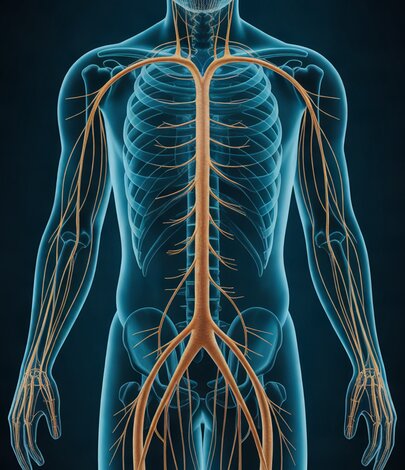
Multiple sclerosis is typically understood as a neurological condition that damages the myelin sheath surrounding nerve fibres in the brain and spinal cord. What receives far less attention is the cascade of body composition changes that follow. Reduced mobility, fatigue-driven inactivity, medication side effects, and the inflammatory nature of the disease itself all contribute to a pattern of rising fat mass, declining muscle tissue, and weakening bones.
A 2025 narrative review published in the journal Nutrients analysed 37 studies measuring body composition in MS, 30 of which used DEXA scanning as the primary assessment tool. The findings were consistent: people with MS had higher body fat (effect size d = -0.32), lower lean soft tissue (d = -0.38), and lower bone mineral density (d = -0.44) than matched controls without the condition (Nutrients, 2025).
Critically, BMI did not reflect these changes. A separate meta-analysis of 25 studies found that BMI was actually slightly lower in MS populations, which suggests that relying on weight-based measures alone substantially underestimates the extent of adiposity and overestimates the preservation of muscle and bone. This discrepancy is precisely why DEXA scanning matters: it separates fat, lean tissue, and bone into distinct measurements that reveal what a scale cannot.
How MS Increases Body Fat and Visceral Fat Risk
Fat accumulation in MS is driven by several overlapping mechanisms. Fatigue, the most commonly reported symptom of MS, reduces daily physical activity. Mobility limitations restrict energy expenditure further. Corticosteroids, which are prescribed for acute relapses, promote visceral fat deposition and central adiposity. The result is a gradual shift in body composition that often goes unnoticed on a standard weighing scale.
Research confirms that whole-body fat mass in people with MS correlates with elevated C-reactive protein levels (a marker of systemic inflammation) and reduced cardiorespiratory fitness. Higher body fat percentage has also been linked to slower walking speed and reduced performance on timed mobility tests, although results have varied across studies.
What makes this particularly concerning is the inflammatory feedback loop. Excess adipose tissue, particularly visceral fat stored around the organs, is metabolically active. It produces pro-inflammatory cytokines that may worsen MS-related neuroinflammation. Tracking your visceral fat levels through a DEXA scan allows you and your clinical team to identify whether fat accumulation is reaching levels that could be compounding your condition.
Muscle Loss in MS: Why Lean Mass Matters More Than You Think
Loss of lean muscle tissue is one of the most clinically significant body composition changes in MS, yet it is rarely measured in routine care. The same meta-analysis found that lean soft tissue was significantly lower in people with MS (effect size d = -0.38), and this decline was more pronounced in individuals with higher levels of disability.
Muscle loss in MS occurs through a combination of disuse atrophy (from reduced mobility), corticosteroid-induced catabolism, and potentially through direct neural damage affecting motor units. The consequences extend well beyond physical appearance. Research shows that lean mass in MS correlates with grip strength (r = 0.38), leg extensor power (r = 0.48), and even cognitive processing speed (r = 0.39). Preserving muscle is not just about mobility; it supports metabolic health, falls prevention, and potentially cognitive function.
The challenge is that muscle loss can be masked by simultaneous fat gain. A person with MS whose weight remains stable may actually be losing muscle and gaining fat, a pattern known as sarcopenic obesity. Without a DEXA scan to separate these compartments, this shift remains invisible until its clinical consequences become apparent.
Bone Density and Osteoporosis Risk in Multiple Sclerosis
Bone health is a growing concern in MS care. According to the MS Trust, a 2022 review estimated that nearly one in five people with MS have osteoporosis, and more than two in five have osteopenia. These rates are substantially higher than in people of similar age and sex without the condition (MS Trust).
Several factors converge to weaken bones in MS. Reduced weight-bearing activity deprives bone of the mechanical loading signals it needs to maintain density. The chronic inflammatory environment of MS may directly impair bone remodelling. Repeated courses of corticosteroids for relapses accelerate bone turnover in favour of resorption. We covered the broader impact of steroid use on body composition in our guide to corticosteroids, body composition, and what your DEXA scan reveals about prednisolone. Vitamin D deficiency, which is common in MS and may be linked to disease activity itself, further undermines calcium absorption and bone mineralisation.
One particularly striking finding from the research is that cognitively impaired MS patients had a 59.3% prevalence of osteopenia or osteoporosis, compared to 24.1% in cognitively intact MS patients. Femoral bone mineral density was also correlated with visuospatial memory scores, suggesting that bone health and cognitive status may share common underlying pathways in MS.
A bone density DEXA scan is the gold standard for diagnosing osteoporosis and monitoring treatment response. If you are living with MS, knowing your T-score and tracking it over time gives you and your neurologist objective data to guide decisions about bone-protective interventions.
What a DEXA Scan Tells You That Other Tests Cannot
Standard clinical assessments in MS focus on neurological function, relapse frequency, and MRI findings. Body composition is rarely measured. Yet the evidence shows that changes in fat, muscle, and bone are both common and clinically meaningful in MS.
A DEXA scan provides several specific measurements that are relevant to MS management. Total and regional body fat percentage reveals whether fat is accumulating in metabolically harmful patterns. Visceral adipose tissue estimation identifies central fat that may be fuelling systemic inflammation. Lean mass measurements, broken down by limb, can detect asymmetric muscle wasting that mirrors the pattern of neurological involvement. Bone mineral density at the hip and spine gives your T-score, the diagnostic threshold for osteoporosis and osteopenia.
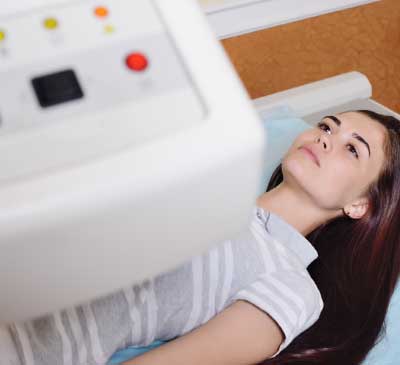
The scan itself takes approximately 10 to 15 minutes, involves minimal radiation exposure (less than 0.05 mSv, well below a standard chest X-ray), and requires no preparation. For someone with MS, this single assessment provides a comprehensive snapshot of three interrelated systems that are all under pressure from the disease. To learn more about how DEXA scanning works, visit our dedicated guide.
Evidence-Based Strategies for Protecting Body Composition With MS
The research on interventions to improve body composition in MS, while still developing, offers several promising directions. Combined aerobic and resistance training has shown the most consistent results. One study found that high-intensity cycling combined with resistance training reduced body fat by 3.9% and increased lean mass by 1.4%. Continuous moderate-intensity aerobic training reduced body fat by 2 to 3% across separate trials.
Dietary interventions have also shown benefit. A combined telehealth activity and diet programme reduced body fat by 3.4% compared to 0.4% in controls. A low-glycaemic diet delivered via telehealth reduced fat mass by 1.94 kg, although lean mass also declined by 0.72 kg, highlighting the importance of monitoring muscle preservation alongside fat loss.
For bone health specifically, weight-bearing and resistance exercise remain the cornerstone of prevention. Ensuring adequate vitamin D and calcium intake supports bone mineralisation. The NHS recommends 10 micrograms of vitamin D daily for adults, with supplementation particularly important during autumn and winter or for those with limited sun exposure. If osteoporosis is diagnosed, bisphosphonates or other bone-protective medications may be appropriate, guided by your T-score and FRAX assessment.
Regardless of which strategies you pursue, tracking your progress with periodic DEXA scans gives you objective evidence of whether your interventions are working. Without measurement, it is difficult to know whether a programme is preserving muscle, reducing visceral fat, or stabilising bone density.
Frequently Asked Questions
Does MS directly cause weight gain?
MS does not directly cause weight gain in the way that a thyroid condition might. However, fatigue-driven inactivity, reduced mobility, and corticosteroid use during relapses all promote fat accumulation. DEXA research shows that people with MS carry more body fat than matched controls, even when BMI appears normal.
How common is osteoporosis in people with MS?
Approximately one in five people with MS have osteoporosis, and more than two in five have osteopenia. These rates are significantly higher than in people of the same age and sex without MS, making regular bone density monitoring with a DEXA scan particularly important.
Can exercise improve body composition if I have MS?
Yes. Combined aerobic and resistance training has been shown to reduce body fat and preserve or increase lean mass in people with MS. The key is choosing exercise that matches your current ability and tracking progress objectively with a DEXA scan to confirm the programme is working.
Should I get a DEXA scan if I have MS?
A DEXA scan is strongly recommended for anyone with MS, particularly if you have been on corticosteroids, have reduced mobility, or are concerned about bone density. The scan measures fat, lean tissue, and bone mineral density in a single 10 to 15 minute session, providing data that BMI and scales simply cannot.
Does MS medication affect body composition?
Corticosteroids used for MS relapses can increase visceral fat and accelerate bone loss. Some disease-modifying therapies, such as fingolimod, may actually have protective effects on bone density in women, although more research is needed. A DEXA scan helps you monitor these medication-related changes over time.
Book Your Body Composition DEXA Scan
Whether you are living with multiple sclerosis, managing steroid-related body composition changes, or tracking your bone density as part of your MS care plan, a DEXA scan gives you the precise, clinical-grade data you need to make informed decisions about your health.
At DEXA London, we offer clinical-grade body composition and bone density DEXA scans at our Harley Street clinic. Each scan is reported by a qualified clinician, and your results are explained in a detailed consultation so you understand exactly what the numbers mean and what steps to take next.
To book your scan or to discuss whether a DEXA assessment is right for your situation, call us on 0207 637 8227 or visit dexa.london to book online.
Weight management next step
If your DEXA results show elevated visceral fat or metabolic risk linked to reduced mobility or steroid use, a supervised weight-loss programme may help you regain control. CutKilo, the sister service to DEXA London, offers doctor-led Mounjaro treatment from Dr Emil Gadimali. Start the CutKilo questionnaire to see if you are suitable.