
Ketogenic Diet and Body Composition: What Your DEXA Scan Reveals About Fat, Muscle, and Bone on Keto
Quick answer: The ketogenic diet can produce significant fat loss, but its effects on lean muscle mass and bone mineral density are more nuanced than popular keto advocates suggest. A body composition DEXA scan is the only clinically validated way to track what keto is actually doing to your fat, muscle, and bone tissue. Standard bathroom scales and BMI calculations cannot distinguish between these compartments, which means they can mask important changes happening beneath the surface.
The ketogenic diet has become one of the most popular dietary approaches in the UK, with millions of people adopting high-fat, very-low-carbohydrate eating patterns to lose weight, improve energy, or manage metabolic conditions.
But beyond the number on the scale, what is keto actually doing to your body? Is the weight you lose on keto coming from fat, or are you also losing valuable muscle tissue? And what about your bones, which rely on specific nutrients that keto restricts? These are the questions that a DEXA body composition scan can answer with clinical precision, and the research findings may surprise you.
What Is the Ketogenic Diet and How Does It Work?
The ketogenic diet is a high-fat, very-low-carbohydrate eating pattern that typically restricts daily carbohydrate intake to between 20 and 50 grams. This represents a dramatic reduction from the 250 to 300 grams of carbohydrates that most people in the UK consume each day, according to the British Nutrition Foundation.
When carbohydrate intake drops this low, the body exhausts its stored glycogen (the carbohydrate reserve held in your muscles and liver) within 24 to 72 hours. Without its preferred fuel source, the body shifts to breaking down fatty acids in the liver, producing molecules called ketone bodies: beta-hydroxybutyrate, acetoacetate, and acetone. This metabolic state is called nutritional ketosis.
In ketosis, your body runs primarily on fat rather than glucose. This is the mechanism behind keto’s weight-loss reputation: by forcing the body to burn stored fat for energy, the diet can produce meaningful reductions in total body fat. However, the metabolic shift also affects hydration, glycogen storage, and potentially the nutrients available for muscle maintenance and bone health.
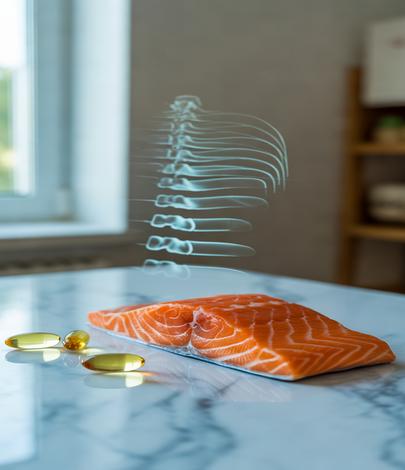
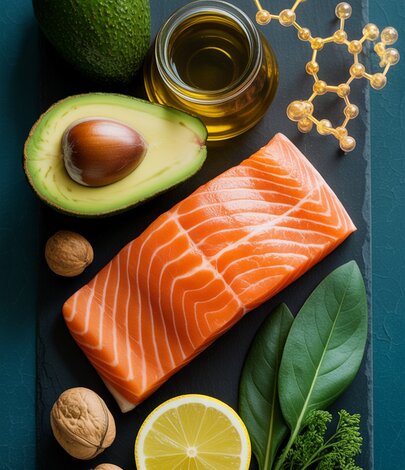
A standard ketogenic diet derives roughly 70 to 80 percent of calories from fat, 15 to 20 percent from protein, and just 5 to 10 percent from carbohydrates. Common foods include fatty fish, avocados, nuts, seeds, olive oil, eggs, and non-starchy vegetables. Foods that are restricted or eliminated include bread, pasta, rice, most fruits, sugar, and starchy vegetables.
How Keto Affects Fat Loss: What the Research Shows
The evidence for fat loss on a ketogenic diet is robust. A 2025 systematic review and meta-analysis published in Clinical Nutrition examined randomised controlled trials comparing ketogenic and low-carbohydrate diets with other dietary approaches in adults with overweight or obesity. The review found that ketogenic diets consistently produced greater reductions in total body fat mass compared with higher-carbohydrate control diets over study periods of 8 to 24 weeks.
A separate 2024 randomised controlled feeding trial published in Nutrients studied the effects of a ketogenic diet on body composition in healthy, normal-weight women using DEXA scanning as the measurement tool. The study found that participants on the ketogenic diet experienced a statistically significant reduction in fat mass compared with the control group, even in this already-lean population.
One of the most clinically important findings relates to visceral fat, the metabolically active fat stored deep around your organs. DEXA scans can quantify visceral adipose tissue with high precision, and studies have shown that ketogenic diets tend to produce preferential reductions in this dangerous fat depot. A 2025 study using exogenous ketone supplementation alongside caloric restriction, published in Nutrients, used DEXA to demonstrate that ketone-mediated fat loss favoured visceral over subcutaneous fat stores.
This matters because visceral fat is strongly associated with type 2 diabetes, cardiovascular disease, and metabolic syndrome. If keto is reducing visceral fat more effectively than subcutaneous fat, the metabolic benefits may extend well beyond what the scale shows. A body composition DEXA scan is the only practical way to measure this distinction outside a research laboratory.
Does the Ketogenic Diet Cause Muscle Loss?
Muscle loss on keto is one of the most commonly raised concerns, and until recently, the evidence was mixed. A 2025 systematic review and meta-analysis published in the Journal of Health, Population and Nutrition searched databases including PubMed, Embase, and the Cochrane Library for studies examining the ketogenic diet’s effects on muscle mass, strength, aerobic capacity, and endurance in adults. The review concluded that no significant reduction in muscle mass or strength was observed in participants following a ketogenic diet.
However, the review also noted that the ketogenic diet increases fat oxidation to modify muscle metabolism, and that additional well-designed randomised controlled trials are needed to confirm these findings across different populations and timeframes. Short-term studies of 8 to 12 weeks may not capture muscle changes that develop over longer periods of keto adherence.
Protein intake appears to be the critical variable. Ketogenic diets that provide adequate protein (at least 1.2 to 1.6 grams per kilogram of body weight per day, as recommended by the British Dietetic Association for adults seeking to preserve lean mass during weight loss) tend to protect against significant muscle loss. Versions of keto that are excessively high in fat at the expense of protein may put lean tissue at greater risk.
This is precisely where a DEXA scan becomes invaluable. Unlike bioelectrical impedance analysis (BIA) scales, which can be significantly affected by changes in hydration status (a known consequence of carbohydrate restriction), DEXA provides a direct measurement of lean tissue mass in each region of the body. If you are following a ketogenic diet and want to know whether you are genuinely preserving muscle, DEXA is the most accurate tool available.
Keto and Bone Density: What the Evidence Says
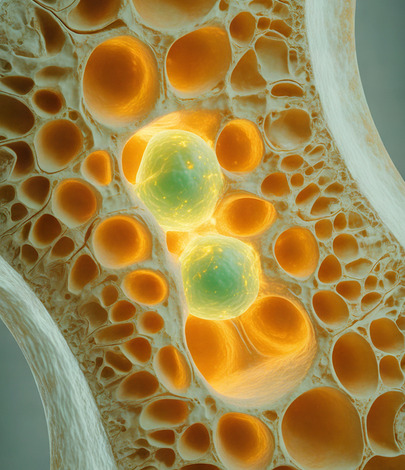
Bone health on a ketogenic diet has received less attention than fat and muscle, but the emerging evidence deserves careful consideration. A 2023 systematic review published in Frontiers in Endocrinology examined the effects of ketogenic diets on bone health outcomes. The review found that no significant changes in bone mineral density (BMD) were observed after ketogenic diet interventions in the studies analysed.
A more recent 2025 review published in Frontiers in Nutrition explored the relationship between ketone bodies (specifically beta-hydroxybutyrate) and osteoporosis. The authors noted that while ketone bodies may have some protective effects on bone metabolism at the cellular level, the clinical evidence in humans remains limited and sometimes contradictory.
There are theoretical reasons for concern. Ketogenic diets restrict many foods that are rich in calcium, including dairy products (depending on the version followed), fortified cereals, and certain fruits. Chronic metabolic acidosis, which can occur with sustained very-low-carbohydrate intake, may increase calcium excretion through the kidneys. The NHS recommends 700 mg of calcium daily for adults, and meeting this target can be challenging on a strict ketogenic diet without careful planning or supplementation.
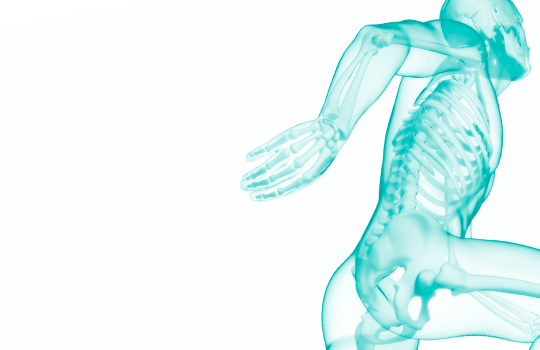
For anyone following a ketogenic diet for more than three to six months, a bone density DEXA scan provides a direct measurement of bone mineral content at the hip and spine. This is particularly important for women approaching or past menopause, individuals with a family history of osteoporosis, or anyone taking medications that may affect bone metabolism.
Why a DEXA Scan Is the Best Way to Track Body Composition on Keto
Standard methods of tracking progress on a ketogenic diet, including bathroom scales, BMI calculations, and even body fat percentage estimates from BIA devices, all have significant limitations when applied to someone in ketosis.
Bathroom scales measure total body weight, but they cannot tell you whether a three-kilogram loss came from fat, muscle, water, or glycogen. On a ketogenic diet, the initial rapid weight loss (often two to four kilograms in the first week) is almost entirely water and glycogen, not fat. Without a DEXA scan, there is no way to know when the composition of weight loss shifts from water to genuine fat reduction.
BIA scales and handheld devices estimate body fat by passing a small electrical current through the body and measuring resistance. The problem is that hydration status dramatically affects these readings, and ketogenic diets cause significant shifts in total body water as glycogen stores deplete. Research has shown that BIA can overestimate fat loss and underestimate lean mass in people following low-carbohydrate diets by as much as 2 to 4 percentage points.
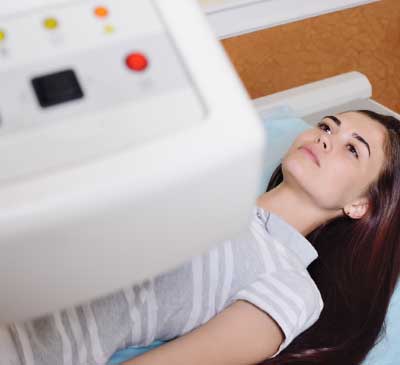
DEXA scanning uses dual-energy X-ray absorptiometry to measure three distinct tissue compartments: fat mass, lean mass (including muscle, organs, and water), and bone mineral content. It does this with a precision of approximately 1 to 2 percent for body fat measurement, and it provides regional data showing fat and muscle distribution across your arms, legs, trunk, and android (abdominal) and gynoid (hip) regions. You can learn more about how DEXA scanning works and what to expect from your appointment on our dedicated information page.
For someone on keto, this means you can see exactly how much visceral fat you have lost, whether your lean mass in your arms and legs has changed, and whether your bone density remains stable. No other commercially available body composition method provides this level of detail.
Common Pitfalls: Why Your DEXA Results May Look Different on Keto
If you are tracking your body composition with DEXA scans while following a ketogenic diet, there are several factors that can affect the accuracy and comparability of your results between scans.
Glycogen and water shifts. When you enter ketosis, your muscles release stored glycogen along with the water bound to it (approximately 3 grams of water per gram of glycogen). This can cause your lean mass reading on a DEXA scan to appear lower than it would on a higher-carbohydrate diet, even if your actual muscle protein content has not changed. To get the most meaningful comparison, try to maintain a consistent dietary state before each scan.
Hydration consistency. DEXA classifies body water as part of the lean tissue compartment. If you are dehydrated before a scan (which can happen more easily on keto due to reduced insulin-mediated sodium retention), your lean mass reading may be artificially low. Drink adequate water in the 24 hours before your scan, but avoid excessive fluid intake immediately beforehand.
Scan timing relative to meals. For the most consistent results, schedule your DEXA scan at a similar time of day and with a similar pre-scan routine each time. Morning scans in a fasted state tend to produce the most reproducible results. We covered the importance of scan timing and dietary state in more detail in our guide to intermittent fasting and body composition, which addresses many of the same considerations relevant to keto dieters.
Duration of dietary change. Short-term keto (under four weeks) produces body composition changes dominated by water and glycogen shifts. Genuine fat tissue loss and any meaningful changes to lean mass or bone density typically require at least 8 to 12 weeks of sustained adherence. Plan your follow-up DEXA scan accordingly.
Frequently Asked Questions
Will a DEXA scan show how much fat I have lost on keto?
Yes. A DEXA scan measures total body fat mass with high precision and also provides regional breakdown, so you can see fat changes in your abdomen, limbs, and trunk separately. It also quantifies visceral adipose tissue, which is particularly relevant for people using keto to improve metabolic health.
Can keto cause muscle loss even if the scale says I am losing weight?
It is possible, especially if protein intake is inadequate (below 1.2 g/kg body weight per day) or if you are in a very large caloric deficit. A 2025 meta-analysis found no significant muscle loss on keto when protein was adequate, but individual responses vary. A DEXA scan is the most reliable way to confirm whether your lean mass is being preserved.
How long should I wait between DEXA scans on keto?
We recommend waiting at least 8 to 12 weeks between scans. This allows enough time for genuine tissue-level changes to occur beyond the initial water and glycogen shifts that happen in the first one to two weeks of carbohydrate restriction.
Is the ketogenic diet safe for my bones?
Current evidence suggests that short-to-medium-term ketogenic diets (up to 12 months) do not significantly reduce bone mineral density in most adults. However, calcium and vitamin D intake should be monitored carefully, and a baseline bone density DEXA scan is advisable for anyone with risk factors for osteoporosis. The NHS recommends 700 mg of calcium and 10 micrograms of vitamin D daily for adults.
Will being in ketosis affect my DEXA scan results?
Ketosis itself does not affect the physics of the DEXA measurement. However, the dehydration and glycogen depletion that accompany ketosis can shift your lean mass reading downward by 1 to 3 kilograms compared with a carbohydrate-replete state. For the most meaningful trend tracking, maintain a consistent dietary and hydration state before each scan.
Should I eat carbs before my DEXA scan if I am on keto?
No. Changing your diet before a scan defeats the purpose of tracking. The goal is to measure your body composition in your normal dietary state. If you are following keto, get scanned while on keto. Just ensure you are well hydrated and scan at a consistent time of day.
Book Your DEXA Body Composition Scan at Harley Street
Whether you are about to start a ketogenic diet, are several months into your keto journey, or want to assess what keto has done to your body composition after completing the diet, a DEXA scan at DEXA London provides the definitive answer.
Our clinic at 86 Harley Street, London, offers full-body DEXA scans that measure fat mass, lean mass, bone mineral density, visceral fat, and regional body composition in a single 15-minute appointment. Your results are reviewed by Dr Emil Gadimali and presented in a detailed report that shows exactly how your body composition compares with clinical reference ranges.
To book your scan, call us on 0207 637 8227 or visit our body composition scan page to learn more about what the appointment involves.
Considering medical weight loss alongside diet?
If your DEXA results show elevated visceral fat or a body composition pattern associated with metabolic risk, a supervised medical weight-loss programme may complement or replace your dietary approach. CutKilo, the sister service to DEXA London, offers doctor-led Mounjaro (tirzepatide) treatment supervised by Dr Emil Gadimali. Start the CutKilo questionnaire to find out if you are suitable.
Written by Dr Emil Gadimali