

Intermittent Fasting and Body Composition: What DEXA Scans Reveal About Fat Loss vs Muscle Loss
Intermittent fasting has become one of the most popular dietary approaches in the UK, with millions of people using time-restricted eating to manage their weight. But there is a question that most people never ask until the results start feeling inconsistent: is the weight you are losing actually fat, or are you also losing valuable muscle?
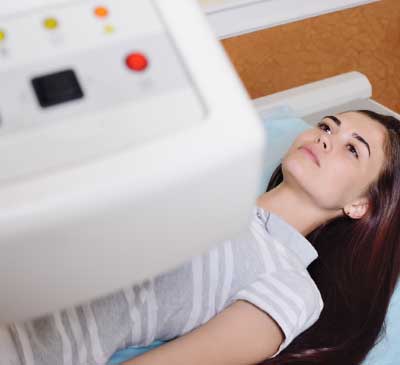
The bathroom scale cannot answer that question. Neither can a tape measure or a mirror. The only way to separate fat loss from lean tissue loss with clinical precision is a body composition DEXA scan. DEXA (dual-energy X-ray absorptiometry) quantifies fat mass, lean mass, and bone mineral density across every region of your body, giving you a complete picture of what is actually changing beneath the surface.
Quick answer: Intermittent fasting can be effective for fat loss, but research shows it may also cause meaningful muscle loss in some people, particularly those who do not eat enough protein or skip resistance training. A DEXA scan is the gold standard for tracking whether your fasting protocol is producing the body composition changes you want, or quietly costing you lean tissue.
What Happens to Body Composition During Intermittent Fasting?
When you restrict your eating window, your body draws on stored energy to bridge the gap. In an ideal scenario, most of that stored energy comes from adipose tissue (body fat). But human metabolism does not always cooperate with ideal scenarios.
During extended fasting periods, the body also breaks down amino acids from muscle tissue through a process called gluconeogenesis. This is the body’s way of maintaining blood glucose levels when dietary carbohydrate and protein are unavailable. The extent of this muscle breakdown depends on several factors: the length of the fasting window, total daily protein intake, whether you are exercising during fasted periods, and your overall calorie balance across the day.
A 2020 systematic review published in the Annual Review of Nutrition found that while intermittent fasting consistently produces weight loss comparable to continuous calorie restriction, the proportion of that weight loss coming from lean mass varies significantly between individuals. Some people preserved muscle well. Others lost a concerning amount of lean tissue alongside their fat loss, particularly those following more aggressive fasting protocols like alternate-day fasting.
Does Intermittent Fasting Cause Muscle Loss? What the Evidence Says
The short answer is: it can, but it does not have to. The research paints a nuanced picture.
A randomised controlled trial published in JAMA Internal Medicine (2020) compared 16:8 time-restricted eating against a control group with no meal timing restrictions. The fasting group lost more weight, but approximately two-thirds of that weight loss came from lean mass rather than fat. The researchers noted this was a higher proportion of lean mass loss than typically seen with standard calorie restriction.
By contrast, a 2023 meta-analysis in Obesity Reviews found that when intermittent fasting is combined with resistance training and adequate protein intake (at least 1.6 grams per kilogram of body weight daily), lean mass can be largely preserved. The difference between these outcomes underscores why individual tracking matters so much.
Without objective measurement, you simply cannot tell whether you fall into the group that preserves muscle during fasting or the group that loses it. Two people following identical 16:8 protocols can have completely different body composition outcomes.
Why a DEXA Scan Is the Only Way to Know for Certain
Standard scales measure total body weight, which tells you nothing about composition. Bioelectrical impedance devices (the technology in most smart scales and handheld body fat monitors) estimate fat and lean mass, but their accuracy varies widely depending on hydration, recent meals, and the device itself. A 2021 comparison study in the British Journal of Nutrition found that bioelectrical impedance could overestimate or underestimate body fat percentage by as much as 8 percentage points compared to DEXA.
A DEXA scan uses two low-dose X-ray beams to distinguish between fat tissue, lean tissue, and bone with a margin of error under 2%. Critically, it provides regional data, so you can see whether you are losing fat evenly or predominantly from certain areas, and whether lean mass changes are concentrated in specific limbs or distributed across the body.
For someone practising intermittent fasting, this level of detail is invaluable. You might discover that your total weight has dropped by 4 kilograms over three months, but a DEXA scan reveals that 2.5 kg of that was fat and 1.5 kg was lean mass. That ratio might prompt you to adjust your protein intake, add resistance training, or reconsider your fasting schedule entirely.
What to Look for in Your DEXA Results After Intermittent Fasting
Fat mass change vs lean mass change: Ideally, you want to see fat mass decreasing while lean mass remains stable or increases. If lean mass is declining alongside fat mass, your fasting protocol or supporting habits need adjustment. A healthy fat-to-lean loss ratio during intentional weight loss is roughly 75:25 or better, meaning at least three-quarters of weight lost should come from fat.
Appendicular lean mass index (ALMI): This measures the lean mass in your arms and legs relative to your height. It is the most clinically relevant marker for sarcopenia risk. If your ALMI is declining over successive scans, you may be losing functional muscle that protects joints, supports metabolism, and maintains independence as you age.
Visceral adipose tissue (VAT): Intermittent fasting has shown particular promise in reducing visceral fat, the metabolically active fat stored around your organs. Your DEXA scan quantifies VAT separately from subcutaneous fat, so you can see whether your fasting protocol is targeting this high-risk fat depot effectively. For more on what constitutes a healthy body fat percentage and what your results mean, our detailed guide breaks down the numbers by age and sex.
How to Protect Muscle Mass While Practising Intermittent Fasting
Prioritise protein in your eating window. The NHS recommends a minimum of 0.75 grams of protein per kilogram of body weight daily for the general population. For people restricting their eating window, current sports nutrition research suggests aiming higher, around 1.6 to 2.2 grams per kilogram, to offset the catabolic effects of extended fasting periods. Distributing protein across at least two meals within your eating window appears to be more effective than consuming it all in one sitting.
Include resistance training at least twice per week. The mechanical stimulus of lifting weights or performing bodyweight exercises sends a powerful signal to your muscles to resist breakdown. A 2022 study in the European Journal of Sport Science demonstrated that participants who combined time-restricted eating with resistance training lost comparable fat to those who only fasted, while preserving significantly more lean mass.
Avoid excessively long fasting windows. The 16:8 protocol appears to carry less muscle loss risk than alternate-day fasting or extended 24-hour fasts, according to data from the Annual Review of Nutrition. Shorter fasting windows still provide metabolic benefits while giving you more opportunity to hit protein targets.
Track your progress with DEXA, not just the scale. A follow-up body composition DEXA scan every 8 to 12 weeks gives you objective feedback. If your lean mass is stable and fat mass is declining, your approach is working. If not, you have the data to make informed changes.
When to Consider Medical Weight Loss Instead
Intermittent fasting is not the right approach for everyone. If you have been following a time-restricted eating plan for several months and your DEXA results show that you are losing more muscle than fat, or if your overall progress has stalled, it may be worth considering a supervised medical weight loss programme.
Doctor-led programmes that use GLP-1 or GIP receptor agonists (such as Mounjaro) work through a different mechanism entirely. Rather than relying on willpower to restrict eating windows, these medications reduce appetite at a neurological level while also improving insulin sensitivity. When combined with adequate protein intake and resistance training, they can produce fat loss with better lean mass preservation than dietary restriction alone.
A DEXA scan before starting any weight loss programme, whether fasting-based or medically supervised, provides the baseline data you need to measure genuine progress and catch any unwanted lean tissue loss early.
Weight management next step
If your DEXA results show that intermittent fasting is costing you lean mass, or if you are struggling to achieve meaningful fat loss through dietary restriction alone, a supervised medical approach may be more effective. CutKilo, the sister service to DEXA London, offers doctor-led Mounjaro treatment from Dr. Emil Gadimali. Start the CutKilo questionnaire to see if you are suitable.
Frequently Asked Questions
Will intermittent fasting make me lose muscle?
It can, especially if your protein intake is low or you are not doing any resistance training. Research shows that up to two-thirds of weight lost during some fasting protocols can come from lean mass. A DEXA scan is the most accurate way to check whether you are losing fat, muscle, or both.
How often should I get a DEXA scan while intermittent fasting?
Every 8 to 12 weeks is generally ideal. This gives your body enough time to produce measurable changes while catching any unwanted lean mass loss before it becomes significant.
Is 16:8 fasting better than alternate-day fasting for preserving muscle?
Current evidence suggests that shorter fasting windows like 16:8 carry less risk of muscle loss than alternate-day or extended fasts. The 16:8 approach also makes it easier to hit daily protein targets, which is one of the most important factors in lean mass preservation.
Can I do a DEXA scan while fasting?
Yes. In fact, being in a fasted state can slightly improve the consistency of DEXA readings by reducing variability from recent food and fluid intake. Just maintain consistent hydration.
What is a good fat-to-lean loss ratio?
During intentional weight loss, aiming for at least 75% of weight lost to come from fat (and no more than 25% from lean mass) is a reasonable benchmark. A DEXA scan is the only way to measure this ratio accurately.
Does intermittent fasting reduce visceral fat specifically?
Some studies suggest IF may be particularly effective at reducing visceral adipose tissue, but results vary between individuals. Your DEXA scan separates visceral fat from subcutaneous fat, so you can see exactly how your visceral fat levels are responding to your fasting protocol.
Book Your DEXA Body Composition Scan
Whether you are just starting intermittent fasting and want a baseline, or you have been fasting for months and want to see what is actually happening beneath the surface, a DEXA scan gives you the clinical data to make informed decisions about your health.
At DEXA London, our Harley Street clinic offers precise bone density and body composition scanning in a single appointment. Every scan is reviewed by Dr Emil Gadimali, who can help you interpret your results in the context of your fasting protocol and overall health goals.
Call us on 0207 637 8227 or book online to schedule your scan.