

Eating Disorders and Bone Density: What Your DEXA Scan Reveals About Bone Loss in Anorexia and Bulimia
Quick Answer: Eating disorders, particularly anorexia nervosa, cause severe bone density loss that a DEXA scan can detect early. Up to 90% of people with anorexia have reduced bone mineral density, and 40% develop osteoporosis. A DEXA bone density scan is the gold standard diagnostic tool recommended by NICE for assessing skeletal damage in eating disorder patients. Early detection allows for targeted treatment and monitoring during recovery.
Eating disorders are among the most physically destructive psychiatric conditions, and their impact on bone health is one of the most serious long-term consequences. While the focus of treatment rightly centres on psychological recovery and weight restoration, the skeletal damage caused by prolonged malnutrition, hormonal disruption, and metabolic chaos can persist for years, sometimes permanently.
A bone density DEXA scan provides the most accurate, clinically validated measurement of bone mineral density available. For anyone with a current or past eating disorder, it offers a clear, objective picture of skeletal health that blood tests and clinical examination alone cannot provide.
This article explains how eating disorders damage bone, what a DEXA scan reveals, what current NICE guidelines recommend, and what recovery looks like from a bone health perspective.
How Eating Disorders Damage Your Bones
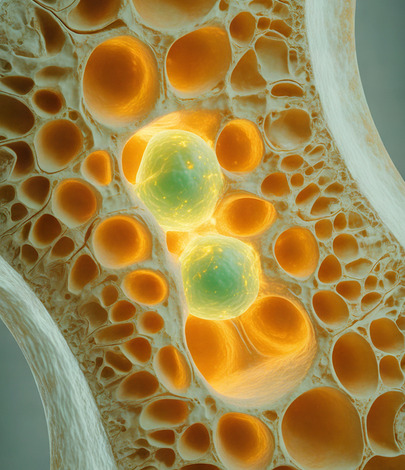
Bone is living tissue that constantly remodels itself, with old bone being broken down (resorption) and new bone being formed. In a healthy individual, these two processes remain in balance. Eating disorders disrupt this balance through several interconnected mechanisms.
Severe caloric restriction and malnutrition deprive the body of the raw materials it needs to build bone, including calcium, phosphorus, and protein. When nutritional intake falls below what the body requires, it begins to prioritise vital organ function over skeletal maintenance, and bone formation slows dramatically.
At the same time, hormonal disruption accelerates bone loss. Reduced body fat and chronic energy deficit suppress the hypothalamic-pituitary-gonadal axis, leading to decreased oestrogen in women and testosterone in men. According to a review published in Endocrine Reviews, this hormonal suppression increases bone resorption while simultaneously decreasing bone formation, creating a double deficit that accelerates skeletal deterioration.
Elevated cortisol levels, common in states of chronic stress and starvation, compound the problem further. Cortisol directly inhibits bone-forming cells (osteoblasts) and promotes the activity of bone-resorbing cells (osteoclasts). The combination of low oestrogen, high cortisol, severe malnutrition, and reduced levels of insulin-like growth factor 1 (IGF-1) creates conditions for rapid, sustained bone loss that can outpace what would normally occur over decades of ageing.
Anorexia Nervosa and Bone Density
Anorexia nervosa carries the highest risk of bone density loss among all eating disorders. Research consistently shows that more than 90% of women with anorexia have osteopenia (mildly reduced bone density), and approximately 40% meet the diagnostic threshold for osteoporosis, a condition that significantly increases fracture risk.
The Royal Osteoporosis Society reports that anorexia nervosa is associated with a threefold increase in lifetime fracture risk. This risk is particularly concerning because anorexia most commonly develops during adolescence, a critical period for bone mass accrual. Peak bone mass, the maximum bone density a person will achieve in their lifetime, is typically reached by the late twenties. If this window is disrupted by malnutrition and hormonal suppression, the individual may never reach their genetic potential for bone strength.
Amenorrhoea (the absence of menstrual periods) is both a diagnostic feature and a key driver of bone loss in anorexia. The duration of amenorrhoea correlates directly with the severity of bone density reduction. A systematic review and meta-analysis published in the Journal of Eating Disorders found that females with eating disorders and amenorrhoea had significantly lower bone mineral density at the lumbar spine and femoral neck compared to those who maintained their menstrual cycle.
Fewer than 15% of women with active anorexia nervosa have normal bone density at all skeletal sites. The spine and hip are the most commonly affected regions, and fractures at these sites carry the most serious consequences for long-term mobility and quality of life.
Bulimia Nervosa and Bone Health
Bulimia nervosa presents a more complex picture for bone health than anorexia. Because many individuals with bulimia maintain a weight within or close to the normal range, the assumption has been that bone density is less severely affected. This is not always the case.
Purging behaviours, whether through vomiting, laxative misuse, or excessive exercise, disrupt the absorption of calcium and other minerals essential for bone maintenance. Repeated vomiting causes metabolic alkalosis and electrolyte imbalances that interfere with bone metabolism. Laxative misuse accelerates transit through the gut, reducing the time available for nutrient absorption.
The Royal Osteoporosis Society notes that bulimia is likely to affect bone health, although it has not been studied as extensively as anorexia. Research published in Eating and Weight Disorders suggests that the hormonal disruption seen in bulimia, while typically less severe than in anorexia, can still suppress oestrogen levels enough to impair bone formation. Individuals with bulimia who also experience periods of restrictive eating or significant weight fluctuation are at particular risk.
Other specified feeding or eating disorders (OSFED), including atypical anorexia nervosa where weight remains in the normal range despite significant restriction, can also cause bone density loss. The metabolic and hormonal mechanisms that damage bone are driven by energy deficit and malnutrition, not simply by low body weight.
Why a DEXA Scan Is the Gold Standard for Diagnosing Bone Loss
A dual-energy X-ray absorptiometry (DEXA) scan is the most accurate and widely recommended method for measuring bone mineral density. It uses two low-dose X-ray beams at different energy levels to distinguish between bone tissue and soft tissue, producing a precise measurement of bone density at the spine, hip, and sometimes the forearm.
For individuals with eating disorders, a DEXA scan provides two critical pieces of information. The first is a T-score, which compares your bone density to that of a healthy 30-year-old adult at peak bone mass. A T-score of -1.0 or above is considered normal, between -1.0 and -2.5 indicates osteopenia, and -2.5 or below indicates osteoporosis. The second is a Z-score, which compares your bone density to others of the same age and sex. For younger patients, particularly those under 50, the Z-score is the more clinically relevant measure. You can read more about understanding the difference between T-scores and Z-scores in our detailed guide.
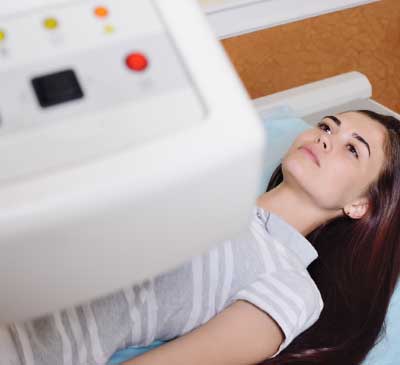
The scan itself takes approximately 10 to 15 minutes, involves minimal radiation exposure (less than a standard chest X-ray), and requires no special preparation. It is painless and non-invasive, making it particularly suitable for patients who may already be experiencing significant physical and psychological distress.
Blood tests can reveal calcium levels, vitamin D status, and hormonal markers that suggest bone health is compromised. However, they cannot tell you the actual density of your bones or the degree of structural damage already sustained. Only a DEXA scan provides this direct, quantitative assessment. For anyone with a history of eating disorders, a baseline DEXA scan establishes a reference point from which future changes can be measured, tracked, and managed.
What NICE Guidelines Recommend for DEXA Scanning in Eating Disorders
The National Institute for Health and Care Excellence (NICE) provides specific guidance on when DEXA scanning should be offered to individuals with eating disorders. These recommendations reflect the well-documented relationship between eating disorders and bone loss, and the clinical importance of early detection.
For adults with anorexia nervosa, NICE recommends a DEXA scan after two years of being underweight, or earlier if the individual has bone pain or recurrent fractures. For children and young people, the threshold is lower: a DEXA scan is recommended after one year of being underweight, or earlier if bone pain or fractures are present.
NICE also advises that bone mineral density scans should not be repeated more frequently than once per year unless new symptoms such as bone pain or fractures develop. This interval allows enough time for measurable changes in bone density to occur and avoids unnecessary repeat exposure to radiation, even though the dose from a DEXA scan is extremely low.
However, many clinicians argue that waiting two years for an initial scan in adults may be too conservative. A 2024 review in the Journal of Clinical Medicine highlighted that significant bone loss can occur within the first year of an eating disorder, particularly in younger patients whose bones are still developing. At our Harley Street clinic, we encourage anyone with a current or past eating disorder to discuss baseline scanning with their clinical team, regardless of how long they have been unwell.
Can Bone Density Recover After an Eating Disorder?
This is one of the most important questions for anyone in recovery, and the answer is nuanced. Weight restoration and the resumption of normal menstrual function are the most effective interventions for improving bone density in eating disorder recovery. However, the degree of recovery depends on several factors, including the duration and severity of the eating disorder, the age at which it developed, and how much bone mass was lost before treatment began.
A study published in the Journal of Clinical Endocrinology and Metabolism followed 160 patients with anorexia nervosa after weight gain. While bone mineral density improved with weight restoration, it did not fully normalise in most patients. The improvements were most pronounced at the spine and less consistent at the hip, and individuals who had been ill for longer or who developed anorexia during adolescence showed smaller gains.
A 2024 study in Nutrients confirmed that nutritional rehabilitation alone is often insufficient to fully restore bone mineral density. The authors noted that while weight recovery is necessary, it may not be sufficient, and that additional interventions such as hormonal treatment or bisphosphonate therapy may be appropriate for individuals with persistent bone loss despite adequate weight restoration.
The message is clear: early detection through DEXA scanning, combined with sustained recovery, gives bones the best chance of rebuilding. But it also means that bone health monitoring should continue long after weight has been restored, because the skeletal effects of an eating disorder can persist for years.
Protecting Your Bones During and After Recovery
Recovery from an eating disorder is the single most important step you can take for your bone health. Beyond weight restoration and hormonal recovery, there are several evidence-based strategies that support bone density maintenance and rebuilding.
Adequate calcium intake is essential. The NHS recommends 700mg of calcium per day for most adults, with higher targets for adolescents and young adults who are still building bone mass. Dairy products, fortified plant milks, leafy green vegetables, and calcium-set tofu are reliable dietary sources. If dietary intake is insufficient, a calcium supplement may be appropriate under medical guidance.
Vitamin D is equally important because it enables the body to absorb calcium effectively. In the UK, where sunlight exposure is limited for much of the year, the NHS recommends a daily supplement of 10 micrograms (400 IU) of vitamin D for all adults during autumn and winter. Individuals with eating disorders are at particularly high risk of vitamin D deficiency due to restricted dietary intake and, in some cases, reduced sun exposure.
Weight-bearing exercise, including walking, jogging, and resistance training, stimulates bone formation by placing mechanical stress on the skeleton. However, exercise must be approached carefully in the context of eating disorder recovery. Excessive or compulsive exercise is a feature of many eating disorders and can worsen bone loss rather than improve it. The Royal Osteoporosis Society advises that exercise plans for individuals recovering from eating disorders should be developed in consultation with their treatment team.
If your DEXA scan reveals osteopenia or osteoporosis, your doctor may consider pharmacological treatments. Bisphosphonates, which slow bone resorption, are sometimes prescribed for severe cases, although their use in younger patients and premenopausal women requires specialist input. Hormonal therapies may be considered where amenorrhoea persists despite weight recovery. If you have been told you have osteopenia, understanding what it means and when to consider treatment is an important part of managing your recovery.
Frequently Asked Questions
Can anorexia cause permanent bone damage?
In some cases, yes. While bone density often improves with weight restoration and hormonal recovery, research shows that it may not fully normalise, particularly if the eating disorder developed during adolescence when peak bone mass is being established. Long-term monitoring with periodic DEXA scans is recommended even after recovery.
How soon after developing an eating disorder does bone loss begin?
Bone loss can begin within months of significant caloric restriction and weight loss. The speed depends on the severity of the energy deficit, whether menstrual periods have stopped, and the individual’s age. Adolescents are particularly vulnerable because they are still building peak bone mass.
Is a DEXA scan safe for someone with an eating disorder?
Yes. A DEXA scan uses a very low dose of radiation, less than a standard chest X-ray, and takes approximately 10 to 15 minutes. It is painless and non-invasive. The clinical information it provides about bone health far outweighs the minimal radiation exposure involved.
Do men with eating disorders lose bone density too?
Yes. While eating disorders are more commonly diagnosed in women, men with anorexia or other restrictive eating disorders also experience significant bone density loss. Reduced testosterone levels, malnutrition, and elevated cortisol contribute to bone resorption in the same way that oestrogen deficiency and malnutrition do in women. A bone density DEXA scan is equally important for men with a history of eating disorders.
How often should I have a DEXA scan if I have had an eating disorder?
NICE recommends no more frequently than once per year unless new symptoms develop. For individuals in active recovery, an annual scan allows your clinical team to track changes in bone density and adjust treatment if necessary. Once recovery is well established and bone density has stabilised, your doctor may recommend less frequent scanning.
Will my bones get stronger if I just eat more?
Weight restoration is the most important factor, but it is not always sufficient on its own. Adequate calcium and vitamin D intake, appropriate weight-bearing exercise, and hormonal recovery (including resumption of menstrual periods in women) all contribute to bone rebuilding. Some individuals may also benefit from pharmacological treatment if bone loss is severe.
Book Your DEXA Bone Density Scan
If you have a current or past eating disorder and are concerned about your bone health, a DEXA bone density scan is the most accurate way to assess where you stand. At DEXA London, our Harley Street clinic offers private DEXA scans with same-week availability, expert interpretation of your results, and a clear report that your GP or treatment team can use to guide your care.
Understanding your bone density is not about creating anxiety. It is about giving you and your clinical team the information you need to protect your skeleton and make informed decisions about your recovery. Whether you need a baseline scan, a follow-up after treatment, or reassurance that your bones are recovering well, we are here to help.
To book your scan or to discuss whether a DEXA scan is right for you, call us on 0207 637 8227 or visit our body composition page to learn more about what the scan measures and how it works.