
Early Signs of Osteoporosis: When Should Women Get a Bone Density Scan?
Osteoporosis is often called a “silent disease” — and for good reason. By the time most women discover they have it, significant bone loss has already occurred. The fracture that reveals it might be from something as minor as a cough, a stumble on the pavement, or bending to pick something up. The good news is that with the right test at the right time, osteoporosis is both detectable and preventable.
If you are a woman approaching or going through menopause, this article is essential reading.
What Is Osteoporosis — and Why Are Women at Greater Risk?
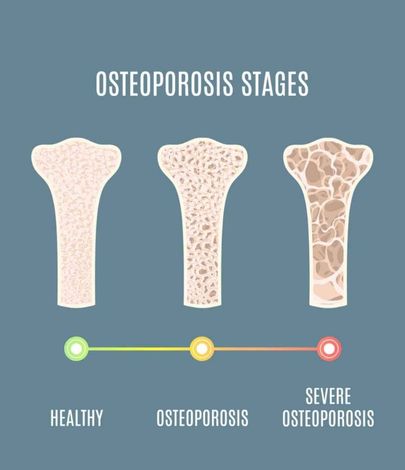
Osteoporosis is a condition in which bones lose density and become fragile, increasing the risk of fractures — particularly of the hip, spine, and wrist. Worldwide, it affects approximately 1 in 3 women over the age of 50, compared with 1 in 5 men.
The reason women are disproportionately affected comes down to oestrogen. This hormone plays a critical role in maintaining bone density throughout a woman’s life. During and after menopause, oestrogen levels fall sharply — and bone loss accelerates dramatically as a result.
In the first five to ten years after menopause, women can lose up to 20% of their bone density. This window is precisely when early detection and intervention matter most.
The Early Signs of Osteoporosis Most Women Miss
Osteoporosis does not typically cause pain in its early stages, which makes it notoriously difficult to self-diagnose. However, there are warning signs that should prompt you to seek a bone density test.
Loss of height. Losing more than 1.5cm in height over time is a recognised indicator of vertebral compression fractures — small fractures in the spine caused by weakened bone. Many women experience these without even knowing.
Stooped or rounded posture. A progressively curved upper back, sometimes called a “dowager’s hump,” can indicate spinal bone loss. This occurs as weakened vertebrae compress and shift under normal body weight.
A fracture from a minor impact. A fracture sustained from a fall from standing height — or less — is classified as a fragility fracture and is a significant red flag. Common sites include the wrist, hip, and spine.
Receding gums or jaw bone loss. Bone loss does not happen in isolation. Some research suggests that changes in jaw bone density can reflect systemic skeletal health.
Decreased grip strength. Studies have found an association between lower grip strength and reduced bone mineral density, particularly in postmenopausal women.
Back pain without a clear cause. Persistent, unexplained back pain — especially in the mid to lower back — can sometimes be linked to vertebral changes associated with bone loss.
It is important to note that many women with early-stage osteoporosis have none of these symptoms. This is why proactive screening is so critical.
How Menopause Accelerates Bone Loss
Understanding the relationship between menopause and bone health is crucial for any woman over 45.
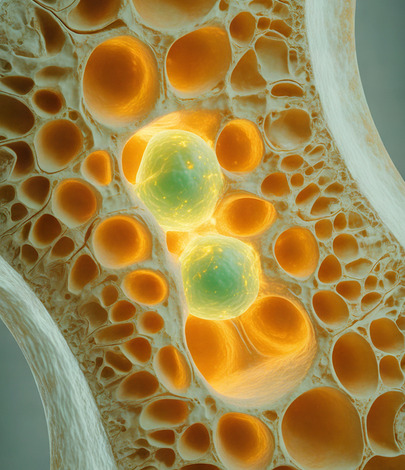
Before menopause, oestrogen helps regulate the activity of osteoclasts — cells that break down bone tissue. When oestrogen levels decline, osteoclast activity increases unchecked, meaning bone is broken down faster than the body can replace it.
Perimenopause — the transitional phase that can begin in your early-to-mid 40s — already brings fluctuating oestrogen levels. This means bone loss can begin before your periods have even stopped. Women who experience early menopause (before age 45) or premature menopause (before age 40) face an even greater long-term risk, as they spend more years in an oestrogen-deficient state.
Other menopausal factors that affect bone health include disrupted sleep (which affects growth hormone and bone repair), reduced physical activity, and changes in calcium absorption.
Who Should Have a Bone Density Scan?
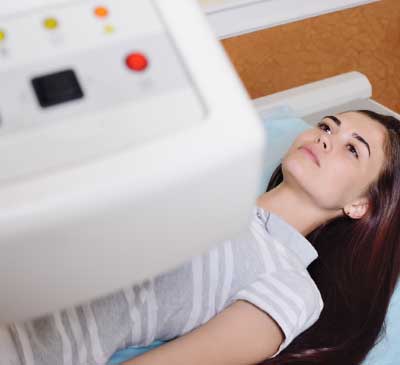
A DEXA (Dual-Energy X-ray Absorptiometry) scan is the gold standard test for measuring bone mineral density. It is safe, non-invasive, and takes only a few minutes. The results tell you whether your bone density is normal, low (osteopenia), or very low (osteoporosis).
You should consider a bone density scan if you:
- Are 45 or older and approaching or in menopause
- Experienced early or premature menopause
- Have a family history of osteoporosis or hip fracture
- Have had a fragility fracture as an adult
- Have taken corticosteroids (such as prednisolone) for three months or more
- Have a low BMI (under 19)
- Smoke or drink heavily
- Have a condition associated with bone loss, such as rheumatoid arthritis, coeliac disease, or inflammatory bowel disease
- Are taking or have taken certain medications including aromatase inhibitors or anti-epileptics
Even if none of these risk factors apply, many women over 50 choose to establish a baseline bone density measurement — particularly before or shortly after menopause — so that any changes can be tracked over time.
What Does a Bone Density DEXA Scan Involve?
At DEXA London, bone density scans are carried out by experienced HCPC-registered radiographers at our clinic on 86 Harley Street, London. The scan is entirely painless. You remain fully clothed and lie flat while the scanner passes slowly over your body.
Results are reported by UK consultant rheumatologists and delivered to you as a clear, comprehensive PDF — including your T-score (comparison against peak bone mass), Z-score (comparison with others your age), and clinical recommendations.
The scan costs £150, which can be arranged when you contact us. There is no need for a GP referral.
What Do the Results Mean?
Your DEXA bone density results are expressed as a T-score:
- -1.0 and above: Normal bone density
- Between -1.0 and -2.5: Osteopenia (lower than normal bone density — a warning stage)
- -2.5 and below: Osteoporosis
An osteopenia diagnosis should not be alarming, but it is a clear signal to take action. With the right interventions — including nutrition, weight-bearing exercise, and in some cases medication or HRT — bone density loss can be slowed or halted.
Can You Improve Bone Density After Menopause?
Yes — to a significant degree. While you cannot fully reverse bone loss once it has occurred, the rate of loss can be dramatically slowed and, in some cases, bone density can improve with targeted intervention.
Weight-bearing and resistance exercise is one of the most evidence-backed strategies. Activities that load the skeleton — walking, jogging, dancing, and strength training — stimulate bone formation.
Calcium and vitamin D remain foundational. Women over 50 require around 1,200mg of calcium daily and at least 800–1,000 IU of vitamin D. Many women are deficient in vitamin D, particularly in the UK.
HRT (Hormone Replacement Therapy) has been shown to preserve bone density effectively in postmenopausal women and is increasingly recommended for women with early menopause or significant bone loss risk.
Medications including bisphosphonates (such as alendronate) may be prescribed by a rheumatologist or GP if osteoporosis is confirmed.
Knowing your baseline through a DEXA scan is the essential first step to knowing which, if any, interventions are appropriate for you.
Why Early Detection Changes Everything
A hip fracture in an older woman is not simply a broken bone. It carries a 20–30% risk of mortality within the first year, and many women who survive never fully regain their previous mobility or independence. Vertebral fractures lead to chronic pain, loss of height, and reduced lung capacity.
These outcomes are largely preventable — but only if bone loss is detected early enough to act.
A bone density scan at 45 or 50 is not a test for the unwell. It is a smart, proactive investment in long-term health. It takes less than 30 minutes, costs £150, and gives you information that could fundamentally change your approach to the next decades of your life.
Frequently Asked Questions
At what age should women start getting bone density scans?
Most guidelines recommend a first bone density scan at the time of menopause for women with risk factors, and no later than 50–55 for all women. Women with early or premature menopause should be scanned earlier. If you are in perimenopause and concerned about your bone health, there is no reason to wait.
Is a DEXA scan safe?
Yes. A DEXA scan uses a very low dose of radiation — approximately the same as spending a couple of hours outdoors in natural background radiation. It is considered safe for repeat scanning.
What is the difference between osteoporosis and osteopenia?
Osteopenia refers to bone density that is lower than normal but not yet in the osteoporosis range. It is a warning sign that warrants monitoring and lifestyle intervention, but not necessarily medication. Left unaddressed, osteopenia can progress to osteoporosis.
Does menopause always cause osteoporosis?
Not inevitably, but menopause significantly increases the risk. Genetics, lifestyle, nutrition, and body composition all play a role. A DEXA scan is the only way to know with certainty what is happening to your bone density.
Do I need a GP referral for a bone density scan in London?
Not at DEXA London. Bone density scans can be arranged via an internal referral from Dr Emil Gadimali at our 3Beam Harley Street clinic. Simply get in touch and we will guide you through the process.